Executive Summary
Published: August 2026 · Category: Product Comparison · Reading time: 10 min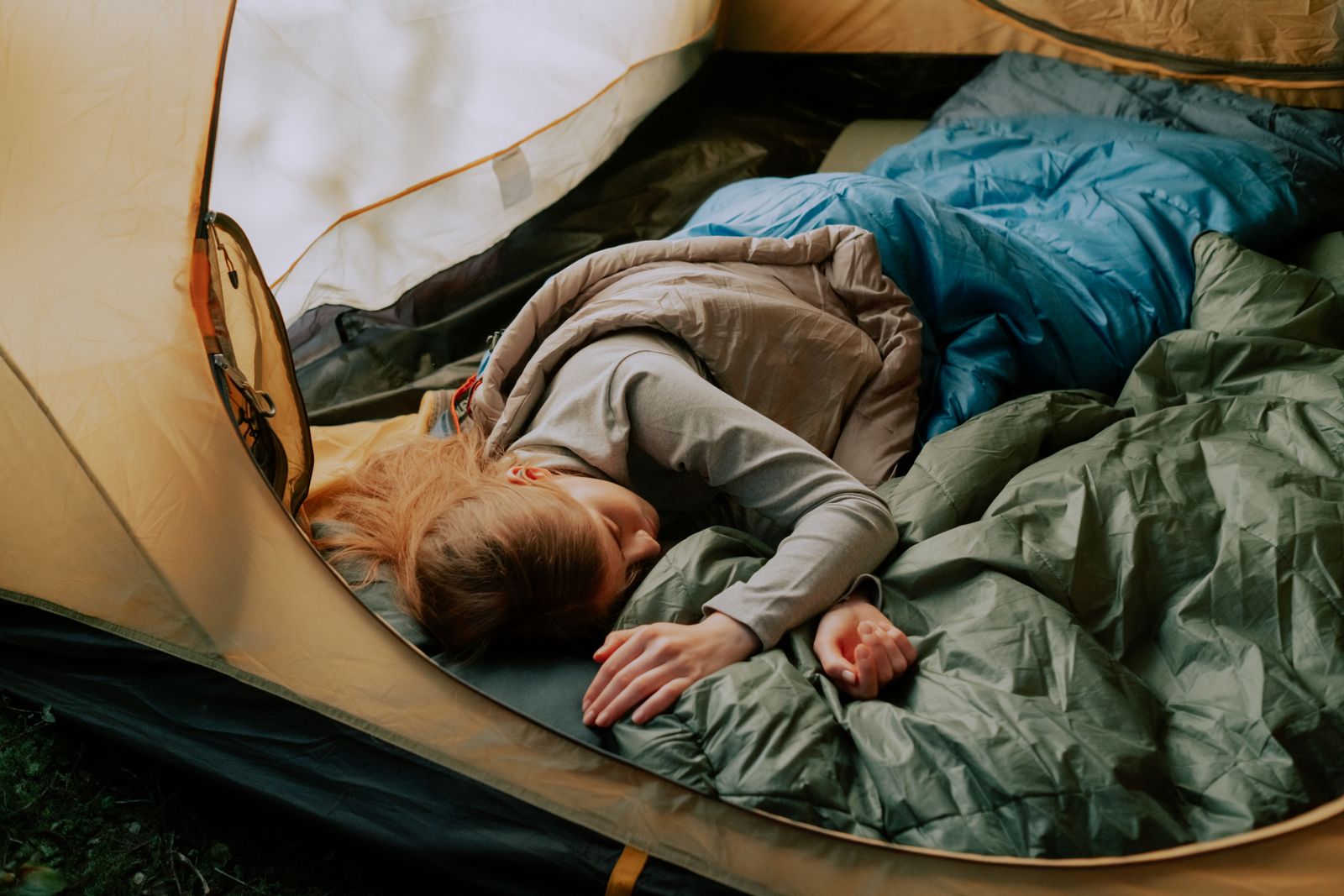
A modern sleeping bag carries three temperature values: Comfort, Limit, and Extreme. Each answers a different question and is calibrated to a different sleeper. The standard behind them (EN 13537 or ISO 23537) sets the test method. The sleeping pad beneath you decides whether any of those numbers hold up in the field.
This guide is for retail buyers, importers, and brand owners who need to spec sleeping bags honestly for their customers. It covers what each rating means, which standard applies, why a “20°F” bag can disappoint at 20°F, and a four-step method to pick the right temperature range for the conditions your customers camp in.
Why Sleeping Bag Temperature Ratings Confuse Buyers
Sleeping bag temperature specs are the most-misread spec in outdoor gear, and the confusion is built into the labels. Three numbers. Two standards. One piece of physics (the sleeping pad) that most spec sheets don’t mention. REI’s Expert Advice library and Outdoor Gear Lab reviews consistently flag the same three causes for “not warm enough” complaints: buying by the Extreme rating, ignoring pad R-value, or trusting a temperature number with no standard disclosed.
For a wholesale or IBD buyer, this confusion is a sales problem as much as a spec problem. A customer who buys a bag on the wrong rating and returns it is a customer who remembers the store. Spec the bag correctly and stock the right temperature range for your customer base. The bag sells itself with very few returns.
Step 1: Read the Three Temperatures Correctly
Every sleeping bag spec sheet published under EN 13537 or ISO 23537 carries three numbers, not one. Each answers a different question:
- Comfort: the lowest air temperature at which an average woman sleeps comfortably, in a curled position, wearing base layers. Plan around this if you’re female, run cold, or are new to the category.
- Limit: the lowest air temperature at which an average man can sleep without major shivering, in a curled position, wearing base layers. Plan around this if you’re male, run warm, or are an experienced cold sleeper.
- Extreme: the lowest air temperature at which an average woman can survive for six hours without hypothermia. This is a safety rating, not a comfort rating, and should not be used for trip planning.
The common buyer mistake is treating the bag’s coldest number (Extreme) as the bag’s warmth. Pushing a bag to its Extreme rating means a cold, dangerous night. For most use cases, the Limit rating is the practical ceiling for a warm sleeper, and the Comfort rating is the safe choice for everyone else.
Step 2: Know Which Standard You’re Reading
For roughly twenty years, the European sleeping bag industry tested under EN 13537. In 2017, EN 13537 was superseded by the international standard ISO 23537. The two are nearly identical. Same heated manikin, same test protocol, same three temperature values. ISO 23537 just tightened a few edge cases and clarified the user definitions for Comfort and Limit.
In the field, an EN 13537 20°F Limit rating and an ISO 23537 20°F Limit rating perform about the same. If you’re comparing an older bag (EN label) to a newer one (ISO label), the numbers are roughly interchangeable for normal planning.
What you should not do is compare a temperature rating with no standard at all to a bag tested under EN/ISO. Some very low-cost bags print a single “temperature rating” with no standard disclosed. Those numbers aren’t comparable to EN/ISO ratings and are usually optimistic by 10 to 20°F. Check the spec sheet for EN 13537 or ISO 23537 before you trust the number.
Step 3: Match the Bag to Your Sleeping Pad
The EN/ISO rating assumes you’re using a sleeping pad with adequate R-value for the conditions, wearing base layers, sleeping inside a tent, and there’s no wind. In the real world, those assumptions break all the time. Three things can push your actual sleeping temperature well below the printed number:
- Bad sleeping pad. The pad insulates you from the ground. If pad R-value is too low for the conditions, you’ll lose heat downward no matter how good the bag is. A 20°F bag on an R=2 summer pad feels like a 40°F bag.
- Wind and exposure. The rating assumes still air. Real wind strips heat from the bag fast. A simple bivy or wind shell around the bag recovers 5 to 10°F of effective warmth.
- Cold sleeper physiology. Comfort is calibrated to an “average woman,” which is closer to a cold sleeper than an average man. If the customer runs cold, is older, is tired, or hasn’t eaten enough, their effective Comfort temperature is higher (warmer) than the printed number suggests.
A practical rule: treat the manufacturer’s Limit number as the practical low end for a warm, well-rested adult male on a good pad. Everyone else should plan around Comfort, or add 10°F of margin.
Match the pad to the bag. Pad R-value and bag temperature rating need to cover the same range. A common mistake is buying a great winter bag and pairing it with a summer pad. The customer is still cold.
Step 4: Comfort vs Limit vs Extreme, Side by Side
| Rating | What it means | Who it applies to | Should you plan to it? |
|---|---|---|---|
| Comfort | Sleep comfortably, no shivering | Average woman / cold sleeper | Yes, for women, cold sleepers, beginners |
| Limit | Sleep without major shivering | Average man / warm sleeper | Yes, for men, warm sleepers, fit users |
| Extreme | Survive 6 hours without hypothermia | Survival scenario only | No. Treat as a safety rating, not a planning value |
Step 5: Pick the Right Bag for the Conditions
A four-step method works for almost every overnight. Use it for both retail customer advice and your own warehouse spec decisions:
- Find the expected overnight low. Add 5 to 10°F for exposed campsites, alpine valleys, or high-elevation areas where cold air pools at night.
- Decide which rating to plan to. Cold sleeper, female, or tired → Comfort. Warm sleeper, male, or fit → Limit.
- Add 10°F of margin. Weather forecasts are usually optimistic, and an unexpected cold snap is more dangerous than an unexpectedly warm night.
- Check the sleeping pad R-value. The pad needs to be rated for the same temperature range as the bag. Without the right pad, no bag is warm enough.
Concrete example. A July trip to a 7,000-foot alpine campsite with a forecast low of 35°F. Add 10°F for valley cold pooling, and you’re looking at a 25°F working temperature. A cold sleeper planning to Comfort should look for a bag rated Comfort at or below 25°F, or a 15°F Comfort bag if they want extra margin. Pair with a pad rated R ≥ 3 for those conditions.
Step 6: Men’s Bags vs Women’s Bags, Real Difference or Marketing?
Most major brands sell men’s and women’s versions of the same bag at the same temperature rating. The differences go beyond color and zipper direction. There are two real engineering differences:
- Insulation amount. Women’s bags typically carry 5 to 10°F more insulation at the same advertised temperature rating. This is because women generally have lower cold tolerance and higher cold sensitivity. A men’s bag rated 20°F Limit often corresponds to a women’s bag rated closer to 25°F Limit, despite the matching label.
- Shape. Women’s bags are usually cut narrower at the shoulders and wider at the hips, matching typical torso proportions. Less empty air inside the bag means less volume to heat up.
For a cold sleeper woman, a women’s-specific bag is usually warmer at the same price point than a men’s bag. For a warm sleeper man, a men’s bag is usually lighter and more efficient. For buyers in between, fit matters more for warmth than the spec sheet does. Try the bag on if possible.
Step 7: Down vs Synthetic at the Same Rating
Temperature rating tells you how warm the bag is, not what fills it. Down and synthetic reach the same rating through very different means. The comparison below is what most buyers use to spec the right fill type for a given customer base:
| Property | Down | Synthetic |
|---|---|---|
| Weight for same rating | Lighter | Heavier (about 1.5 to 2x for same warmth) |
| Compressibility | High (packs small) | Low (bulkier) |
| Performance when wet | Loses most loft unless treated | Retains meaningful loft |
| Drying time | Slow | Fast |
| Lifespan with care | Long (10+ years) | Medium (3 to 5 years) |
| Price for same rating | Higher | Lower |
| Best for | Dry, alpine, weight-conscious | Wet, humid, entry-level, emergency |
If a customer wants one bag for most conditions, a synthetic bag around 30°F Comfort is a sensible all-season choice. If they already have a pad and a shelter rated for cold weather and want minimum weight, down is the better investment.
Common Mistakes When Reading Sleeping Bag Specs
- Picking by Extreme rating. Almost every “buy this bag to -20°F” pitch uses the Extreme number. Don’t plan a trip to the Extreme rating. It’s a survival spec.
- Ignoring the pad. A winter bag on a summer pad is a wasted bag. Match pad R-value to bag temperature rating.
- Trusting untested ratings. A spec sheet that doesn’t disclose EN 13537 or ISO 23537 is not a real rating. Walk away.
- Confusing fill weight with warmth. A 2 lb fill of low-quality down can be less warm than a 1.5 lb fill of high quality down. Fill weight alone doesn’t tell you how warm the bag is.
- Skipping the dry run. A bag that feels fine in the backyard at 50°F may be miserable on a real trip at 35°F with wind. Test before you commit.
Bottom Line for Sourcing Teams
Five decisions drive sleeping bag sales, and most retail buyers are getting at least one wrong:
- Temperature range should match your customer base’s actual conditions, not category averages. Urban buyers need more 30 to 40°F bags. Alpine buyers need more 15 to 25°F bags.
- Spec sheets must disclose EN 13537 or ISO 23537, not a single untested number. Anything else is a return waiting to happen.
- Always sell the bag as a system: match pad R-value to bag rating. Customers who buy a great bag and a summer pad are still cold.
- Gender-specific bags are not just marketing. Insulation amount and shape genuinely differ. Stock both and let the customer choose.
- Fill type should match climate. Synthetic suits wet or humid conditions and entry-level buyers. Down suits dry alpine trips and buyers who care about pack weight. Don’t push one type to every customer.
The 2026 sleeping bag market rewards buyers who spec for their actual customer and the conditions they camp in. Bags that match the rating, the standard, and the pad sell themselves with very few returns. Bags that miss on any one of those three sit on the shelf.
About the Author
The AnttifySport Sourcing Team supports wholesale buyers, importers, and brand owners sourcing hiking, camping, cycling, and skiing gear from qualified Asian factories. We’ve worked with over 200 B2B clients across North America, Europe, and Australia since 2018, with a focus on low MOQ custom orders and OEM/ODM partnerships for emerging outdoor brands.
Have a sourcing question or want to discuss your next product line? Reach out at anttifysport.com/contact or learn more about how we work with retail buyers.
References
- International Organization for Standardization, ISO 23537-1:2016 — Sleeping bags — Part 1: Thermal insulation based on manikin use
- European Committee for Standardization, EN 13537:2002 — Requirements for sleeping bags (superseded by ISO 23537)
- International Down and Feather Bureau, Fill Power and Down Quality Reference
- Outdoor Industry Association, 2025 Outdoor Recreation Economy Report (sleeping bag category participation trends)
Related Products from AnttifySport
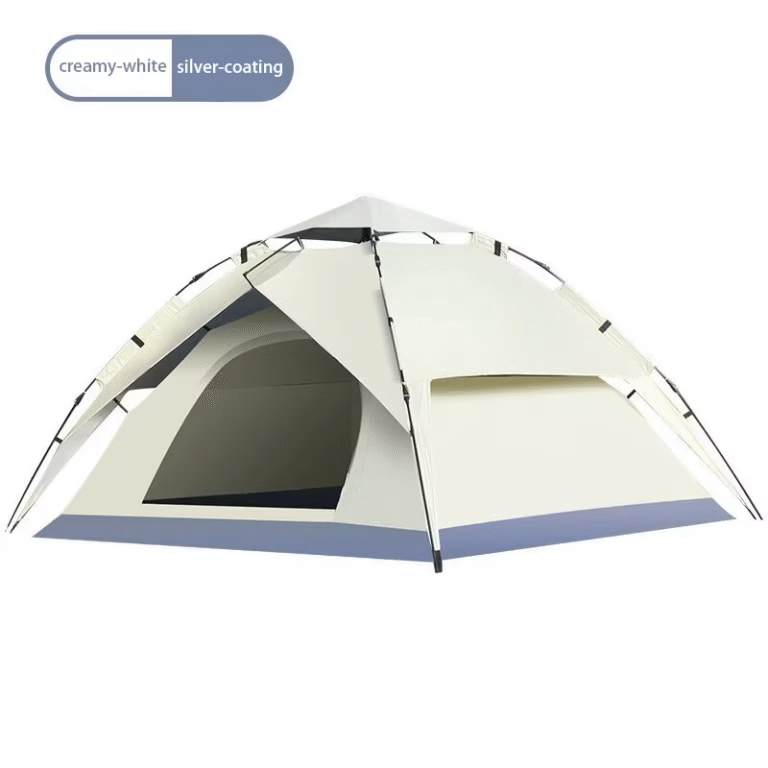
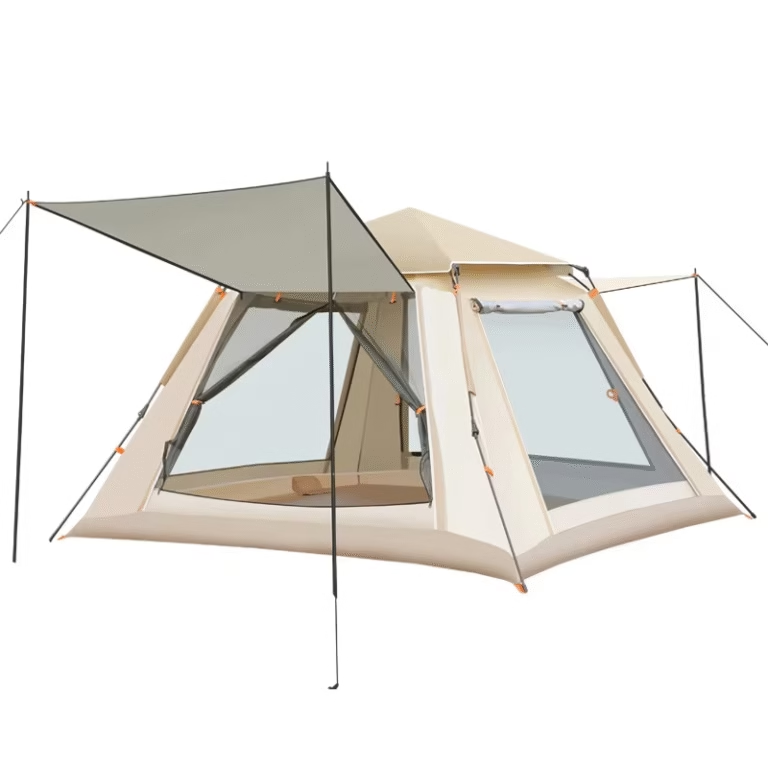
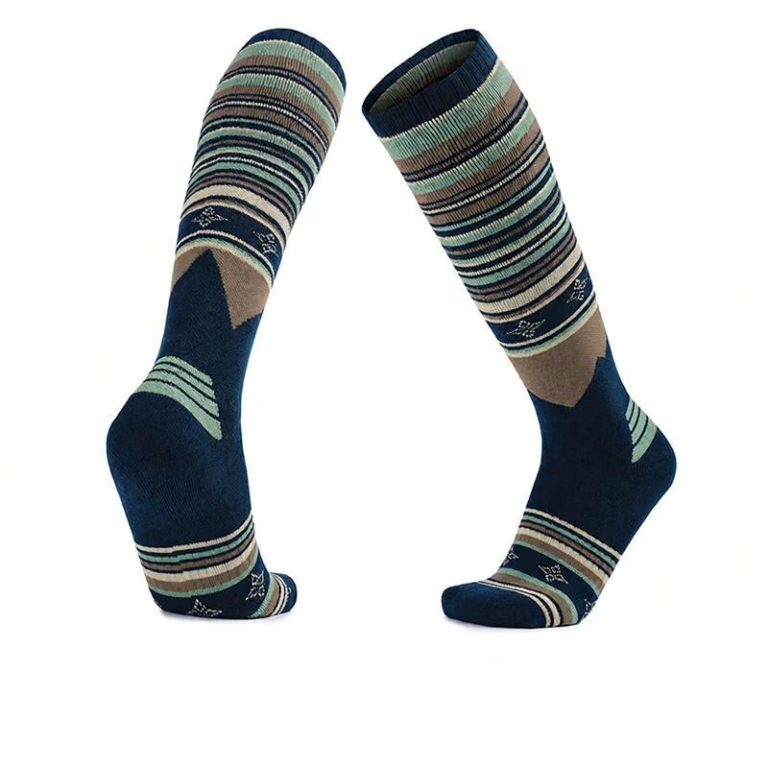
Browse the AnttifySport catalog for outdoor gear covered in this article. All products shown here are part of our wholesale lineup — wholesale pricing, low MOQ, and OEM/ODM support available. Contact our team for quotes.