Ski Helmet Standards — ASTM F2040 vs CE EN 1077 Explained for B2B Buyers
Published: 2026-09-27 | Category: B2B Buying Guide | Reading time: 9 min

Executive Summary
Two certifications define whether a ski helmet is legal for retail sale in the major winter-sports markets: ASTM F2040 in North America and CE EN 1077 in Europe. A B2B buyer sourcing helmets for a multi-channel outdoor brand needs to understand both, because the standards test slightly different impact scenarios, use different classification systems, and carry different labeling requirements. This guide walks through the structural differences between ASTM F2040 and CE EN 1077, what each standard actually tests, how to read the certification labels, and how to verify a Chinese factory’s claim before placing a bulk order.
Why Both Standards Matter for Multi-Channel Brands
Most large B2B outdoor brands sell ski helmets across both North American and European retail channels, and each market has its own compliance regime. ASTM F2040 is the U.S.-based standard for non-motorized recreational snow sports, including downhill skiing, snowboarding, and recreational racing. CE EN 1077 is the European standard for alpine skiing and snowboarding helmets, with two classes (Class A and Class B) that reflect different ear-protection geometries. Selling a helmet certified only to one standard into the other market is a regulatory risk that carries warranty and recall exposure.
ASTM F2040: Structure and What It Tests
ASTM F2040 is a single-class standard maintained by ASTM International (formerly the American Society for Testing and Materials). The current revision is F2040-22, with periodic updates roughly every five years. The standard defines minimum performance requirements for helmets used in recreational snow sports, including impact attenuation at multiple drop heights, retention system strength, roll-off resistance, penetration resistance, and labeling. A helmet passes ASTM F2040 if it meets all the impact, retention, and penetration thresholds across the test protocol.
The ASTM F2040 impact test uses a guided drop apparatus that drops the helmet onto a flat anvil and a hemispherical anvil at controlled temperatures (room temperature, cold, and hot to simulate real conditions). The peak acceleration transmitted to a headform inside the helmet must stay below 300 g for the helmet to pass. Retention testing checks that the chinstrap and buckle hold the helmet in place under load. Penetration testing confirms the outer shell resists sharp-object impact without allowing the striker to contact the headform.
CE EN 1077: Structure and What It Tests
CE EN 1077 is a European standard published by CEN (the European Committee for Standardization). It splits ski helmets into two classes with different protection geometries. Class A helmets cover the ears and the back of the head, with hard ear cups that protect the ear canal. Class B helmets cover the back of the head but leave the ears open with soft padding, allowing better hearing and ventilation. Class A is the higher-protection option; Class B is the comfort-oriented option. Both classes must pass the same impact, retention, and penetration tests, but Class A has tighter thresholds on certain coverage requirements.
The CE EN 1077 impact test is similar in principle to ASTM F2040 but uses different drop heights, anvil geometries, and temperature conditions. The peak acceleration limit under CE EN 1077 is 250 g (slightly tighter than ASTM’s 300 g). The standard also requires marking the helmet with the EN 1077 symbol, the class (A or B), the manufacturer’s identification, and the production date or batch code. A CE-marked helmet must also carry the EU Declaration of Conformity, which is the manufacturer’s formal attestation that the helmet meets the standard.
ASTM F2040 vs CE EN 1077: Side-by-Side Comparison
The two standards cover overlapping but not identical ground. The table below summarizes the key differences a B2B buyer needs to know before committing to a single-source or dual-source certification strategy.
| Criterion | ASTM F2040 | CE EN 1077 |
|---|---|---|
| Origin | USA (ASTM International) | Europe (CEN) |
| Classes | Single class | Class A (hard ears) / Class B (soft ears) |
| Peak g limit (impact) | 300 g | 250 g |
| Drop temperature range | Cold, room, hot | Cold, room, hot |
| Penetration test | Yes | Yes |
| Retention test | Yes | Yes |
| Marking required | ASTM sticker + traceability | EN 1077 symbol + class + EU DoC |
| Primary market | USA, Canada | EU, UK (post-Brexit retained) |
| Cost to certify (typical) | $3,000–$6,000 per model | $4,000–$8,000 per model |
| Re-certification cycle | 5 years | 5 years (rolling review) |
Dual Certification Strategy for Multi-Channel Brands
Most major ski helmet brands now sell the same helmet certified to both ASTM F2040 and CE EN 1077. The cost of dual certification is roughly 60–80% of the sum of two separate single certifications, because the impact and retention tests overlap and a single lab can run both protocols on the same physical samples. For a B2B brand sourcing 5,000+ units per SKU across both North American and European channels, the unit-cost impact of dual certification is typically $0.80–$1.50 per helmet, recovered easily by access to both retail channels.
A buyer planning to launch a new ski helmet SKU should request dual certification as a single line item on the factory’s quotation. The order matters because the certification test program determines the tooling, the foam density, and the chinstrap geometry at the design stage. Adding CE EN 1077 Class A coverage after the helmet is already certified to ASTM F2040 typically requires re-tooling the ear cups, which adds 6–9 weeks and $8,000–$15,000 to the program.
CE EN 1077 Class A vs Class B: When Each Fits the Buyer
Class A (hard ear cups) is the right choice for racers, instructors, and backcountry skiers who need full ear coverage. Class B (soft ear pads, open ears) is the right choice for park-and-pipe skiers, beginner skiers, and anyone who values hearing and ventilation over maximum protection. Most consumer ski helmets sold in Europe are Class B; the ski-school and racing markets lean Class A. A B2B buyer placing a single-SKU order for a consumer retail line should typically default to Class B for ventilation and hearing; a buyer placing orders for ski schools, race teams, or backcountry brands should default to Class A.
Verifying a Chinese Factory’s Certification Claim
Catalog claims of “ASTM F2040 certified” or “CE EN 1077 certified” appear routinely on Chinese mill quotations, but the underlying documentation varies from fully legitimate to fabricated. A B2B buyer should run a four-step verification before accepting the claim.
- Request the actual test report from a TUV, SGS, Intertek, BV, or ACT Lab certified facility. The report should be dated within the last 24 months, name the exact model tested, and reference the current revision of the standard (F2040-22 for ASTM, EN 1077:2007 + amendments for CE).
- Verify the lab’s accreditation. Check the lab’s ISO 17025 accreditation scope online. A lab accredited for protective headgear testing will list “EN 1077” or “ASTM F2040” in its scope; a lab outside that scope cannot issue a valid certification.
- Confirm the certification holder. ASTM F2040 is a manufacturer-side certification, not a third-party mark; the certification is held by the factory, not by an external body. CE EN 1077 requires the factory to issue an EU Declaration of Conformity with their name as the responsible party. If the factory cannot name itself as the certification holder, the certification is being borrowed or fabricated.
- Cross-check the marking. The physical sample should carry the ASTM sticker with a unique identifier and the CE EN 1077 symbol with class designation. If the sticker is missing, misprinted, or mismatched with the test report, the certification is suspect.
ASTM F2040 requires a sticker or label on the inside of the helmet with the ASTM F2040 designation, the manufacturer’s name, the model number, and the production date or batch code. CE EN 1077 requires the EN 1077 symbol (a stylized skier inside a circle) with the class designation (A or B), plus the manufacturer’s identification and date code. The EU Declaration of Conformity is a separate document the factory must produce, listing the standard, the test lab, and the responsible manufacturer’s contact information. A B2B buyer should request both the physical marking sample and the Declaration of Conformity before shipment.
Bottom Line for Sourcing Teams
For B2B ski helmet buyers in 2026, the certification landscape is stable but unforgiving. A single-market product (ASTM F2040 only for North America, CE EN 1077 only for Europe) costs less at certification but restricts the channel mix and the wholesale margin. A dual-certified product costs more at certification ($0.80–$1.50 per unit amortized) but unlocks both retail channels and typically earns 5–8 percentage points of additional wholesale margin in the combined market. Default to dual certification unless the SKU is a region-specific specialty line. Run the four-step verification protocol above before accepting any factory’s certification claim, and request the test report, the lab accreditation, and the EU Declaration of Conformity as a single document bundle. Plan re-certification into the SKU lifecycle budget from the start, because re-certification is the single most common compliance gap that blocks a long-running helmet from continuing in retail.
For buyers launching a new ski helmet SKU, the highest-return first step is to request dual certification as a single line item on the initial factory quotation, before tooling begins. Once the ear-cup geometry is locked, adding CE EN 1077 Class A coverage later is the most expensive compliance upgrade available.
About the Author
This article was prepared by the AnttifySport sourcing team. AnttifySport works with European and North American outdoor brands, ski schools, and rental fleets on helmet, apparel, and accessory procurement from audited Chinese mills. We focus on compliance documentation, certification verification, and supplier traceability rather than commodity resale. Contact our sourcing desk to request a certification worksheet or arrange a pre-shipment inspection.
This article is provided for informational purposes only and reflects publicly available certification references as of the publication date. Certification standards and testing protocols are revised periodically; always request a current test report from your supplier before placing a bulk order. AnttifySport does not guarantee the accuracy of third-party specifications and is not liable for procurement decisions made on the basis of this article.
Further Reading & Sources
- Sweet Protection : About Certificates and Declarations of Conformity
- OutdoorGearLab : The Best Ski Helmets of 2026 (Impact Tested and Ranked)
- REI : How to Choose Ski and Snowboard Helmets
- ASTM International : Standards Aid in Snow Skiing Safety
- 9Bears : Ski Helmet Certifications Explained: ASTM, EN 1077, Snell
- Helmet Supplier : Classification and Certification of Ski Helmets
Related Products from AnttifySport
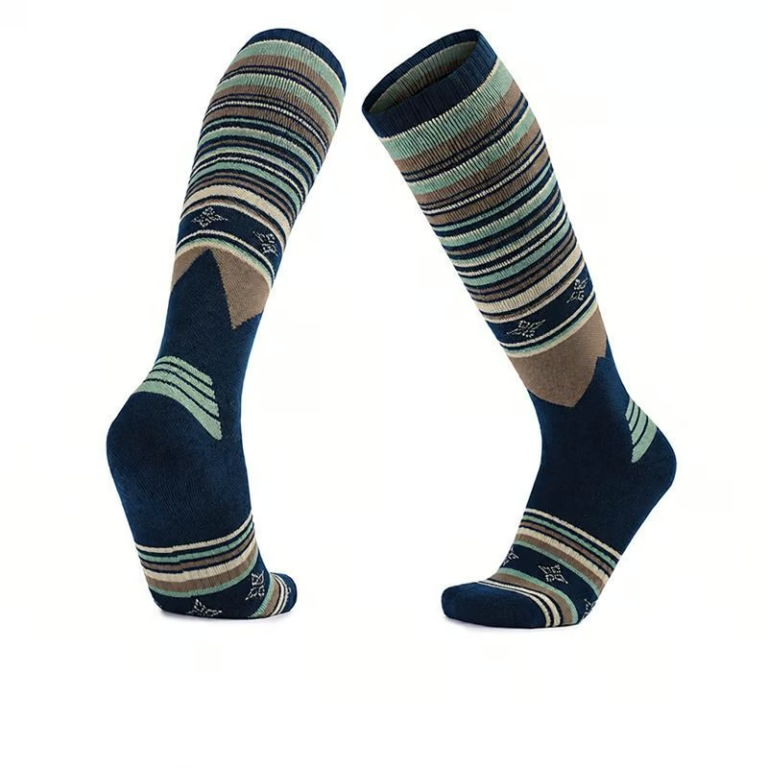
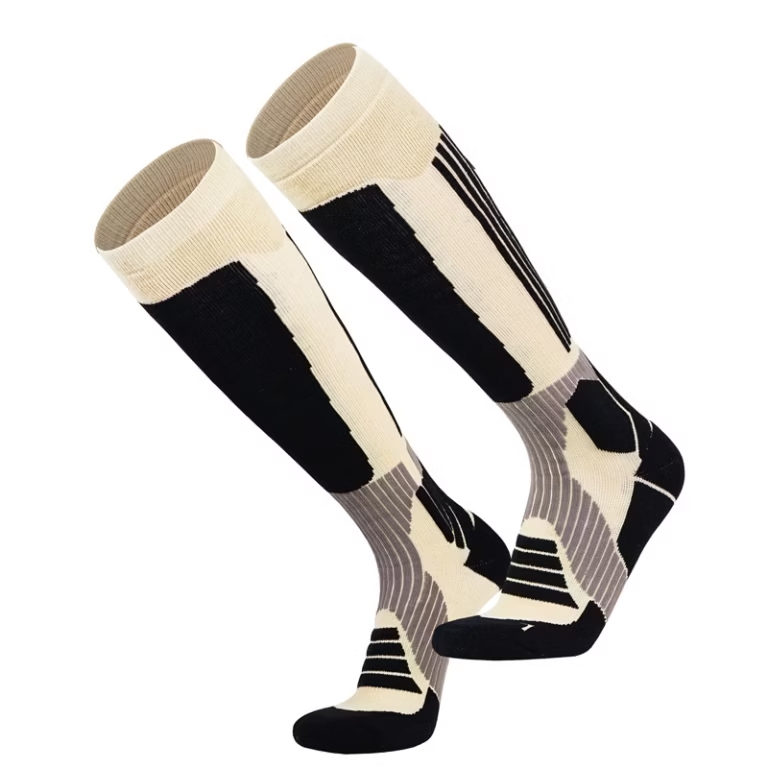
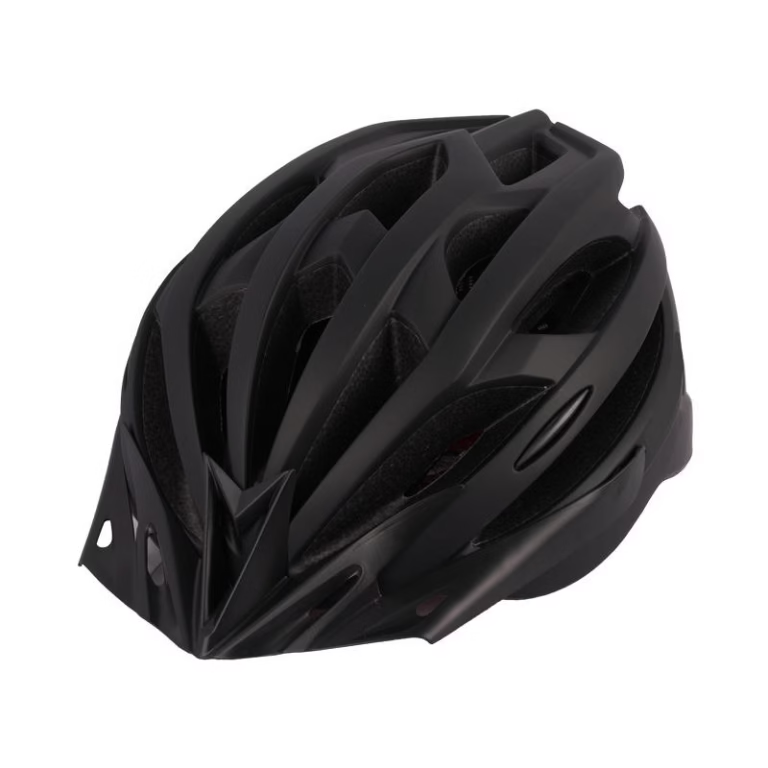
Browse the AnttifySport catalog for snow-sports and outdoor gear covered in this article. All products shown here are part of our wholesale lineup — wholesale pricing, low MOQ, and OEM/ODM support available. Contact our team for quotes.