Cycling Accessories vs Bike Sales: Why the Margin Dollars Come From the Small Parts
Published: 2026-10-12 | Category: Market Insights | Reading time: 9 min

Executive Summary
Bicycle margins and parts-and-accessories margins are not the same business, and retailers who treat them as one are making a structural pricing error. Published industry analysis puts average bike gross margin at roughly 36 percent, which sits just below the break-even gross margin the National Bicycle Dealers Association used to identify for shop operations. Service work is advised at 60 percent gross margin. Parts and accessories land in a different band entirely, and the gap is large enough to change how a shop should be run.
The nuance matters for anyone sourcing accessories wholesale. Higher accessory margin is not a blanket rule: basic commodity items can be where the margin is highest, while enthusiast-level and branded products frequently carry lower margin despite higher preparation and service cost. Understanding which categories actually carry the margin is what separates a profitable accessory program from a slow-moving one.
Why Bike Margin Alone Does Not Cover the Rent
Industry analysis of bicycle retail economics has put average gross margin on bike sales across all price points at approximately 36 percent, and has specifically noted that this sits about one percentage point below the break-even gross margin dealers needed to cover costs. When a product line’s margin is that close to its break-even point, no amount of volume on that line alone produces a viable business.
The reason is visible in the cost structure. Comparing average stores against high-profit stores, the analysis found that bicycle profit margins were essentially identical between the two groups, at roughly 36 percent in both cases. What separated them was expense control, with the average store paying 42.2 percent of gross sales in total operating expenses against 34.9 percent for high-profit stores. Same margin, very different outcome.
This is why the industry recommendation has been to build the business on at least three profit centres rather than one: bikes, parts and accessories, and service. Service is the one most often neglected, and it is advised at 60 percent gross margin. That margin level, not bike volume, is what has historically covered the fixed costs of a shop.
Where the Accessory Margin Actually Sits
Published figures from specialty bike retail show a clear split across the parts and accessories category. Basic generic items are frequently quoted as delivering around 60 percent gross margin to the shop, while better-quality equivalents often fall under 40 percent. This is not a rounding error between similar products; it is a deliberate pricing structure.
Branded and enthusiast categories sit at the other end. Garmin computers and accessories have been quoted at 25 to 29 percent, and Shimano parts at 28 to 35 percent. The pattern behind this is a long-standing and widely criticised mechanism: many manufacturers apply a lower margin to enthusiast-level equipment than to basic equipment, even though the enthusiast product carries higher preparation and service costs.
There is also a category detail worth noting. Generic tubing is generally higher margin; a better-quality tube of the same nominal size is often under 40 percent. The variable that drives margin is often not the technical specification the customer sees, but how identifiable and how brand-protected the product is.
Why Accessory Lines Also Turn Faster
Margin per unit is only half the argument. Accessories also consume far less working capital per dollar of stock than complete bikes, which means a given amount of cash supports more margin dollars.
The National Bicycle Dealers Association has put the target inventory turns for a healthy bike shop at around 3 to 3.5 times per year, with strong retailers achieving 4 to 5 turns and some performing below one. At 3.5 turns, stock is roughly 104 days; at five turns, roughly 73 days. Bikes and accessories sit in the same stock pool, but the ticket size and the ageing profile are very different, and slow-moving complete bikes are typically what drags the blended figure down.
For a shop with limited cash flow, the practical implication is that a small accessories program can generate a disproportionate share of gross profit. That is also why wholesalers see demand for accessory lines from retailers who have never handled imported goods before: the margin structure is forgiving, and the capital requirement is a fraction of a bike program.
The Four Accessory Categories That Consistently Sell
Across retailer forums and trade reporting, four accessory categories recur as reliable volume sellers: tyres and tubes, bottles and hydration, lights and small electronics, and socks and gloves. Each has a distinct buying profile, and each has a distinct sourcing profile.
Tyres, Tubes and Valve Stems
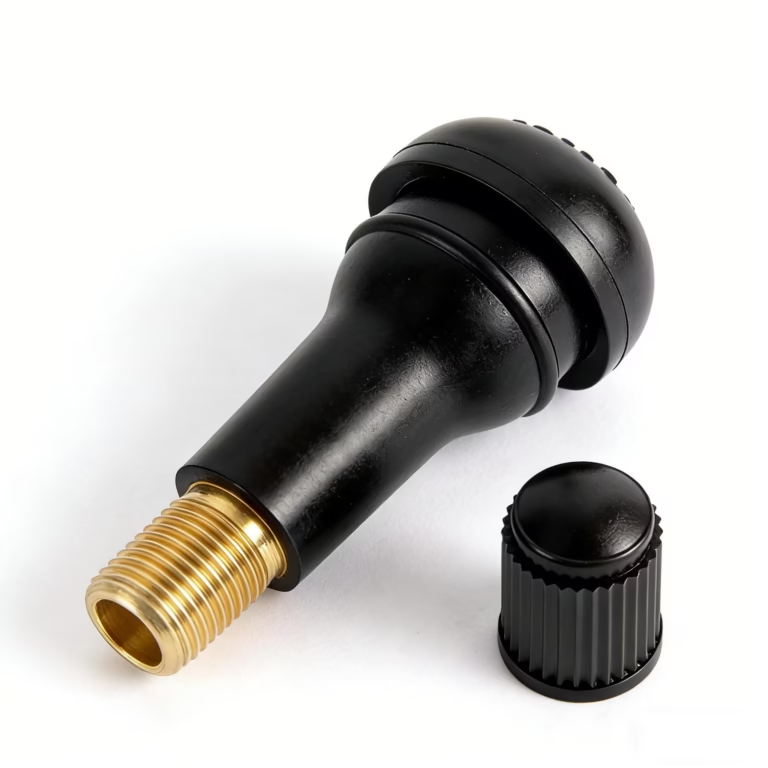
This is the classic generic-margin category. A tube, a patch kit or a valve stem is a low-consideration purchase made at the point of need, often at the counter while a customer waits for a repair. Generic versions carry the higher margin in this category, typically around 60 percent, while premium branded tubes are quoted under 40 percent. For a wholesaler, this category is attractive because MOQ is low, unit weight is small, and there is almost no colour or size matrix to manage beyond diameter and valve type.
Bottles and Hydration
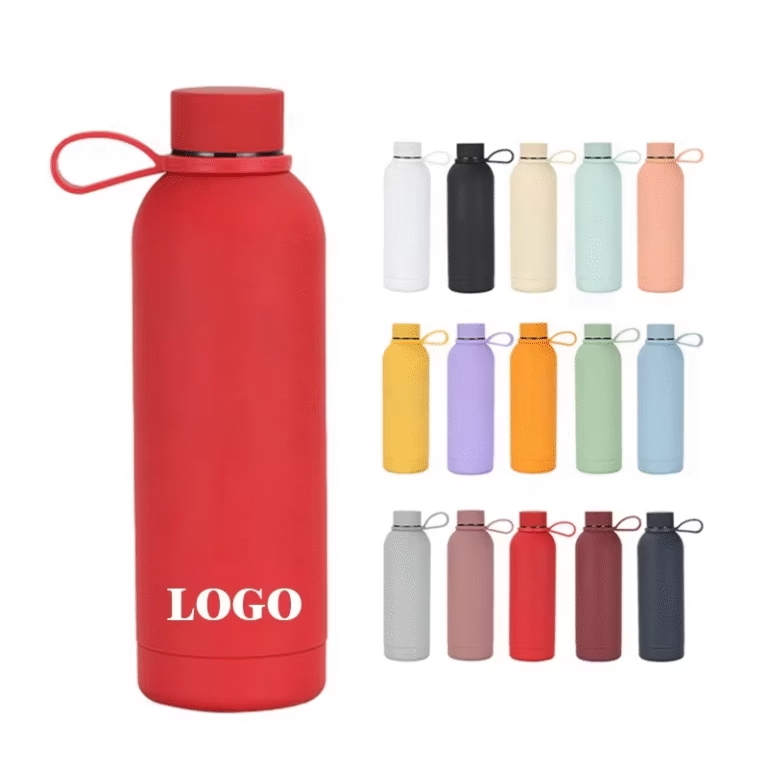
Insulated bottles are among the most straightforward accessory products to source privately label: simple shapes, well-understood materials, and a customer who can judge quality on sight and by weight. The margin is respectable but not exceptional, and the differentiator in this category is genuinely product-based rather than brand-based, which makes it a strong candidate for OEM and ODM programs. Colour and finish count more here than in almost any other cycling category, because the bottle is visible on the bike.
Lights and Small Electronics
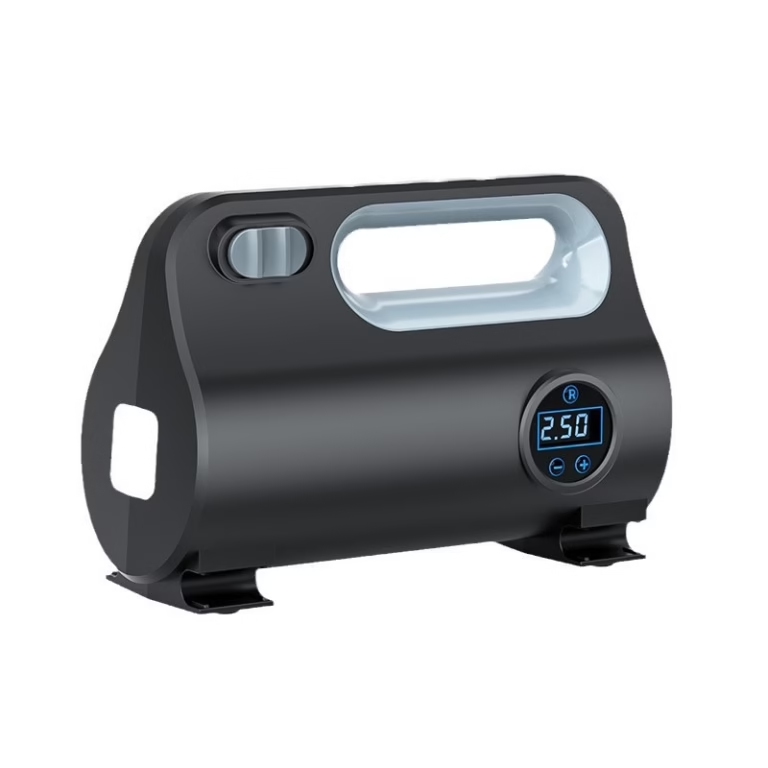
This category carries two warnings. First, any product with a battery raises certification and shipping requirements that generic accessories do not, and those costs are often larger than the margin they appear to generate. Second, buyers in this space tend to compare on specification, so price competition is faster and more aggressive than in bottles or tubes. It is a high-turn, lower-differentiation category.
Socks and Gloves
Socks are the classic impulse buy: tiny unit cost, small shipping footprint, and a wide enough size range to fit most customers. Gloves occupy a similar position with a higher average price point. Both sit close to apparel economics, which means they respond to seasonal buying and are more exposed to fit-related returns than hard goods. Sourcing them raises the same questions as sourcing apparel: sizing consistency between production runs, and fabric specification control.
What This Means for Accessory Sourcing
The margin structure described above creates a sourcing strategy that is different from the one a bike retailer would use. Because generic items carry the higher margin while identifiable branded items carry less, a private-label accessories program is economically coherent in a way that a private-label bike program is not. You are not competing with a manufacturer’s brand on price; you are occupying the tier the manufacturer under-serves.
Three sourcing priorities follow from the retail data. Order fast-turning generic categories first, because they generate the cash and the margin that funds the slower lines. Keep the SKU matrix narrow, because accessories multiplied across size and colour variants quietly consume working capital and dilute the turns that make the category work. And check certification requirements before you commit to anything with a battery, since compliance cost can erase the margin on that line.
Direct manufacturer relationships in China are the practical route for most of this. A mill producing tubes, bottles or socks is generally not the same business as a mill producing frames, and the two have different MOQ structures, different lead times and different quality-control requirements. Sourcing accessories alongside a bike program from a single supplier is convenient but rarely optimal.
How to Verify the Margin Assumption Before You Buy
Published figures are a starting point, not a forecast. Before committing to an accessories program, model your own numbers. Take the retail price you expect to achieve, subtract the landed unit cost including duty and freight, and express the remainder as a percentage of retail. Then run that against the operating cost ratio of your actual business rather than the industry average, because a shop running 42 percent in expenses and a shop running 35 percent in expenses need very different margin levels to survive.
The second test is turnover on your own plan. Take your projected annual unit sales and divide by the value of the inventory you would hold. If that number lands below two turns, the category is not going to pay for your cash no matter what margin it shows on paper.
| Factor | Complete bicycle | Accessory line |
|---|---|---|
| Gross margin per unit | Lower | Higher |
| Inventory turnover | Slow | Fast |
| Capital tied up | High | Low |
| Shelf space needed | Large | Minimal |
| Return and warranty risk | Higher | Lower |
Bottom Line for Retailers and Buyers
Average bike margin sits around 36 percent, close enough to break-even that volume alone will not carry a shop, while service is advised at 60 percent. Parts and accessories run on a different curve: basic generic items have been quoted near 60 percent, while branded enthusiast items sit at 25 to 35 percent. For anyone sourcing accessories wholesale, that split is the strategy. Lead with generic, high-turn, low-MOQ categories, keep the variant matrix tight, and treat anything with a battery as a compliance question before it is a margin question.
Further Reading & Sources
The margin, turnover, and expense ratios in this article are drawn from the following publicly available trade analysis and dealer-association guidance. The links below are the canonical source pages, not syndicated copies.
- National Bicycle Dealers Association — Inventory, Part 1: How To Run A Profitable Bike Shop
- Bicycle Retailer and Industry News — A Formula for High-Profit Bike Stores
- Rider First Bike Fitting / Fitwerx — How You Help Specialty Bike Shops Stay in Business
- Show Daily — U.S. Retailer Outlook: Bike Shops Face Four Brutal Truths
- Descartes Finale Inventory — Inventory Turnover Ratio Guide
- Bicycle Retailer and Industry News — Industry News
About the Author
This analysis was prepared by the AnttifySport sourcing team. AnttifySport works with European and North American outdoor brands, outfitters, and cycling retailers on backpack, apparel, and accessory procurement from audited Chinese mills. We focus on product-spec verification, order-flow visibility, and pre-shipment inspection rather than commodity resale. Contact our sourcing desk to request an accessory margin worksheet or arrange a pre-shipment inspection.
Related Products from AnttifySport
Browse the AnttifySport catalog for the cycling accessory categories referenced in this article. All products shown here are part of our wholesale lineup: wholesale pricing, low MOQ, OEM/ODM support, and pre-shipment inspection assistance available. Contact our team for quotes.