How to Clean and Maintain a Hiking Backpack
Published: 2026-11-05 | Category: Outdoor How-to | Reading time: 10 min

Why a Dirty Pack Is a Supply Chain Problem
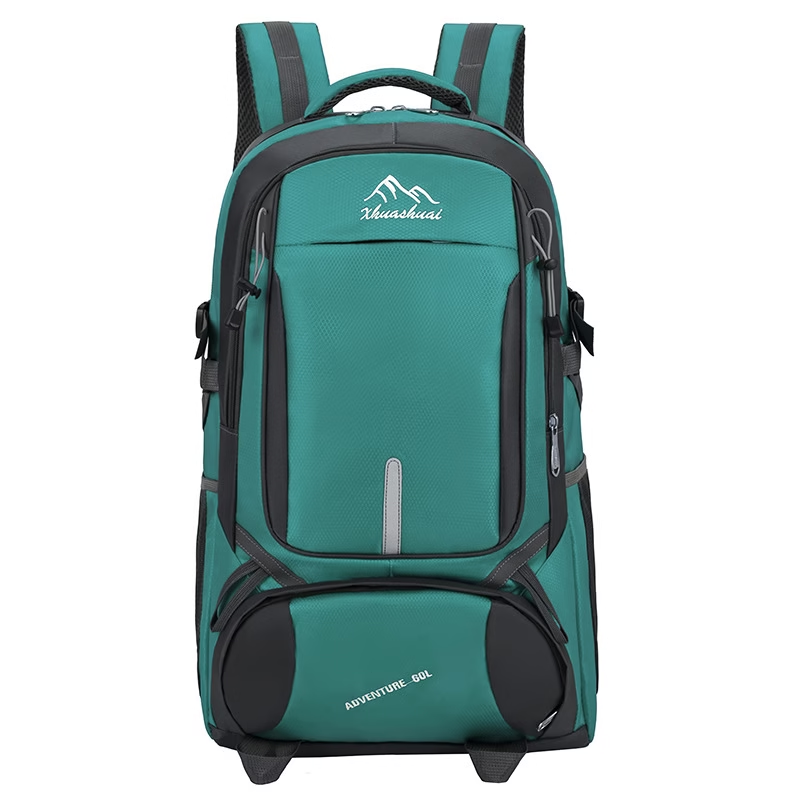
A backpack that is not cleaned is not just unhygienic. It is a measurable source of returns, and for a wholesale buyer the mechanism is specific. A customer brings the pack back after six months of use because the shoulder straps have started to smell, or because the fabric has degraded and the coating has worn through, or because mould has started in the base panel. Each of those is a condition that was preventable, and each one arrives at the customer as a fault in the product rather than as a fault in the care.
There is a second, more commercial reason to care about this. The retailer’s exposure to a mould claim or a delamination claim is far greater than the customer’s, because the customer made a single purchase while the retailer carries the brand relationship. A brand that can answer a customer asking “how should I clean this?” with a specific, credible answer has already avoided a dispute. A brand that cannot answer it has a problem to solve at the worst possible moment.
Know the Fabric Before You Clean It
The single most common cleaning mistake in this category is treating a coated fabric like a cotton bag. Most modern packs use a polyester or nylon shell with a polyurethane coating, a laminate, or a DWR finish, and the failure mode of over-washing is predictable: the coating softens, the face fabric wicks water instead of shedding it, and the pack loses the weather resistance it was sold on. What looked like a cleaning job has become a quality complaint.
The care label tells you which family the fabric belongs to, and the four common cases behave differently. A coated or laminated shell needs a lukewarm wash, a mild detergent, and either a tumble on low or an air dry at room temperature. A plain woven polyester without coating tolerates more aggressive treatment. A pack with a waterproof membrane has a specific instruction set — usually a gentle cycle with the membrane-specific detergent, and a tumble on low to reactivate the coating after washing. Anything with leather trim, cork, or a structural component that should not be soaked is a third case and is handled spot-wise.
The rule that covers all four cases: never use a hot wash, never use a softener, and never use a standard heavy-duty detergent. Softener coats the fibres and is the leading cause of a face fabric losing its wicking behaviour, which in turn makes the pack feel wet when it is not.
A Cleaning Routine That Does Not Take Long
The routine below assumes the pack has been used hard and needs a full clean. A pack that has been used lightly needs only the middle three steps. Doing this once at the end of a season, rather than waiting for a complaint, is what makes the difference.
- Empty it and shake it out. Litter, grit and sand in the base panel are what cause abrasion over time. Check every pocket and the base panel corners, where grit collects and works into the seams.
- Remove the hip belt and shoulder straps if the design allows. These are the parts in constant contact with skin, and they are usually the parts that need separate attention. Straps on a harness-style pack often have a foam core that does not like a full soak.
- Wash the shell by hand or on a gentle cycle. Lukewarm water, a small amount of mild detergent, and no softener. Turn the pack inside out where the design allows, so the lining is washed as thoroughly as the shell.
- Treat the base and the lower panel separately. This is where scuff damage and grit abrasion accumulate, and it is the area a customer notices first when they set the pack down. A stiff brush and a little detergent before the wash will lift most of it.
- Clean the webbing and buckles by hand. Wipe them with a damp cloth and a little detergent. Buckles and ladder locks rarely need soaking, and a soak can make the acetal plastic of a ladder lock brittle over time.
- Dry completely, pack by pack, before storage. Hanging a damp pack in a closed cupboard is the direct route to mould. This is the step that gets skipped, and it is the step that causes the claim.
The Parts That Actually Fail, and Why
Most pack failures are not fabric failures. Knowing which component is going to fail first is what turns a general care instruction into a useful one, and it is also what tells you which spare parts a retailer should hold.
| Component | How it fails | Cause | Prevention |
|---|---|---|---|
| Zipper | Slider separates or the coil jams | Sand and grit in the slider, or over-stuffed pocket forcing the zip under load | Brush grit off before zipping; do not overfill |
| Shoulder strap foam | Flattens and stops distributing load | Compression and repeated sweat exposure | Loosen straps when not carrying; hand-wash not soak |
| Buckle / ladder lock | Cracks or the strap slips | Impact load, UV exposure, or acetal embrittlement | Do not use as a tie-down point for heavy loads |
| Base panel | Abrasions, then delamination | Grit trapped against a hard floor | Base fabric reinforcement; wipe clean after use |
| Coating / DWR | Water stops beading, pack becomes wet | Detergent residue and repeated washing without re-treatment | Wash less, re-treat periodically, no softener ever |
| Seams | Thread breaks and the seam opens | Fatigue from load cycling, sometimes aided by abrasion | Taped seams; do not exceed stated load rating |
Storage Is the Half of Care Nobody Does
A cleaned pack that is then stored badly has wasted the cleaning. Two rules cover most of it. The pack must be completely dry before it goes into a cupboard or a loft, and it should be stored with the shoulder straps and hip belt relaxed rather than cinched, because a pack stored with its harness tightened holds the shape of tension and eventually sets the foam into that compressed state.
The second rule concerns where it lives. A pack stored in an unheated garage through a wet winter will come back with mould on the base panel and a coating that has already degraded, regardless of how carefully it was washed. For a retailer with back-room storage this is the most common cause of an entire batch of returned product, and it is worth a dehumidifier or a designated dry shelf rather than a written policy nobody follows.
What to Put in a Care Instruction Card
A printed card in the box, or a short section on the product page, resolves most customer questions before they become returns. Six items are enough, and each one should be specific to the product rather than generic. The fabric type and its wash instruction. Whether a membrane is present and which detergent to use. Whether the pack may be tumble dried and at what setting. That the pack must be fully dry before storage. That no fabric softener may be used, because this is the instruction customers most often ignore and most often cause damage. And that the load rating applies to what goes in the pack, not only to how it is carried.
There is a commercial argument for doing this that is easy to miss: a customer who has just been told how to care for a pack does not return it for a refund, they keep it and use it for longer. The brand gets the next sale from the same customer instead of a replacement and a lost relationship.
Questions to Ask a Supplier
The following is written to be sent with a quotation request. Each question has a reason, and each one produces information that either supports a care instruction or tells you the product is not one you can support.
- Shell fabric type, coating or laminate construction, and whether the DWR is factory-applied
- Whether a waterproof membrane is present, and the membrane brand and model
- Stated load rating, and whether it is tested to a published standard
- Care instruction and wash test results — has the fabric been wash-tested at all
- Which components are replaceable and held as spare parts: buckles, straps, zippers
- Whether a care card is supplied with the product, and in which languages
- Anti-mould or anti-bacterial treatment on the base panel and lining, if any
Where Pack Care Goes Wrong
The most common mistake is recommending a machine wash for a coated or membrane pack, which destroys the waterproofing the customer paid for and then generates a complaint that the product is faulty. The second is using a standard detergent, which leaves a residue that stops the face fabric from shedding water and makes the pack feel damp. The third is storing the pack before it is dry, which is the single most common route to a mould return. All three are avoided by an instruction card that is specific about the fabric.
About the Author
This guide is written by the AnttifySport sourcing team, who work directly with manufacturers of outdoor equipment for the wholesale market. The recommendations reflect what has held up in actual order cycles rather than general policy language.
Further Reading on Pack Care
Related guides on AnttifySport covering the care and sourcing topics that sit alongside pack maintenance.
- Hiking Equipment Warranty and Returns Policy for Retail Resellers — how spare-parts availability changes the value of a pack range.
- Tent Materials — 20D vs 40D Nylon vs Polyester — the same fabric questions, asked of tent shells.
- Hiking Boot Categories: Trail vs Approach vs Backpacking — construction differences that change how a boot is cared for.
- Compliance Documentation for Outdoor Products Sold in the EU — the chemical and labelling documentation behind the materials used in a pack.