MOQ Negotiation Tactics for Small Wholesalers: How to Buy Below the Factory Minimum
Published: 2026-10-12 | Category: B2B Buying Guide | Reading time: 10 min

Executive Summary
The most useful reframe on minimum order quantity comes from sourcing practitioners: effective MOQ negotiation is not about asking for a lower number, it is about removing the cost obstacle behind the number. Once you understand what the minimum is protecting the factory against, the flexibility you want usually becomes something the factory can afford to give.
Published guidance is concrete about what is achievable. An adept negotiator can bargain a factory down by as much as 20 percent through direct negotiation. Smaller manufacturers and incubator-style suppliers will run below their published minimum for a per-unit premium, typically 15 to 40 percent above standard pricing. Some larger suppliers offer test batches of 250 to 500 units for new clients, conditional on the brand returning at full volume if the product works.
Why the Factory Sets a Minimum at All
A minimum order quantity is not a negotiating tactic. It is arithmetic. A small run still requires the same production steps as a large one: sourcing materials, preparing patterns, scheduling labour, setting up equipment, running quality control and packing. Those costs are largely fixed and do not shrink when the quantity does.
The rule of thumb from manufacturing guidance is direct: the more custom the product and the higher the setup cost, the higher the minimum. Custom moulds, dies and printing plates must be amortised across units, so a product needing a new mould carries a much higher MOQ than one using an existing base model. Unique raw materials or colours may force a larger minimum buy, and extra development work such as sampling, testing and certification has to be paid for by someone.
There is a scheduling reason as well. A small run is less profitable and easy to slot behind bigger jobs, so factories set minimums partly to avoid tying up capacity for unpredictable small orders.
Establish What the Minimum Is Actually Based On
Before negotiating anything, pin down what the MOQ is tied to. Ask whether it is a raw-material minimum, such as fabric rolls, resin batches or zipper quantities. Confirm whether the minimum applies per SKU, per colour or per size, rather than simply “per order”. Check for packaging constraints, carton multiples, pallet specifications and labelling rules, because a minimum that is really a carton-quantity rule can sometimes be met with different packing instructions.
Also ask about the volume discount curve. A factory that quotes 500 units at one price and 2,000 at another is not refusing to work with you at 300; they are telling you where their cost structure sits. Knowing the curve lets you decide which tier to aim at rather than arguing about a number in isolation.
One more question worth asking early: confirm the lead time impact. Smaller runs are frequently pushed behind larger schedules, so a low MOQ with a long and uncertain lead time is worse than a slightly higher MOQ that ships reliably.
Six Ways to Buy Below the Stated Minimum
The techniques below work because each one either lowers the factory’s fixed cost per unit or removes a constraint, rather than simply asking for a favour.
1. Absorb the Setup Cost Separately
This is the cleanest lever available. If the minimum exists to spread a fixed setup cost, offer to pay that setup as a separate one-time fee and ask for your smaller run at the normal unit price. You take on exactly the cost the factory was trying to avoid, and the reason for the high minimum disappears. This is far more acceptable to a factory than a request for the same order at a discount, because nothing about their economics has changed.
2. Use Existing Moulds and Base Models
If you want OEM branding but a low minimum, use existing moulds or base models and change only colour or label. Limit the number of variants across sizes, colours and SKUs, and accept standard packaging instead of fully custom for the first batch. Each eliminated variable removes fixed cost, and the factory can quote a much lower minimum because it is running a proven production process rather than developing a new one.
3. Trade Price for Volume Flexibility
Be open about your quantities and accept a higher unit price instead. Some factories are genuinely flexible on volume and will quote a smaller run at a premium rather than refuse outright, because certain setup costs are spread over fewer units. Published guidance puts that below-minimum premium at typically 15 to 40 percent above standard pricing. That is a real cost, and it should be modelled against the alternative of committing cash you do not have to inventory you cannot move.
Ask whether production can be split: produce part of the quantity now, ship it, and produce the remainder for a later shipment. Some factories will do this on a first order. Be careful with the lead time, because the second half of a split run sits behind everything else in the schedule.
4. Ask What They Already Have in Stock
Factories accumulate stock they cannot sell: cancelled orders, output from a line that finished behind schedule, or goods that failed quality control. Ask what materials or finished goods the factory currently holds. MOQ and cost tend to be lower in these scenarios, because the setup cost has already been spent.
Excess stock requires careful handling. Inspect it properly and do not assume a discounted run is a bargain; a rejected lot you paid for and shipped is more expensive than the premium you would have paid for a clean run.
5. Consolidate Volumes and Source Through Lower-Minimum Channels
If you buy several items from one factory, combining them into a single scheduling window can push total volume over the minimum even when no single item reaches it on its own. This works because the factory cares about total throughput in that window.
The limitation matters: combining shipments in China cuts freight cost but does not reduce each factory’s production MOQ, which remains a separate conversation. Shared components across SKUs can lower the effective minimum in a different way, since a shared component order can be amortised across multiple runs.
Trading companies and wholesalers operate with lower minimums than factories because they hold existing inventory rather than manufacturing to order. The trade-off is that you lose direct control of the specification and the production line.
Wholesale markets are the other version of this. The Yiwu International Trade Market is the largest of its kind in the world, with over 70,000 wholesale booths. A buyer willing to do the legwork can often get more favourable MOQ terms directly from wholesalers rather than through an intermediary, though the goods are then existing stock rather than something made to your specification.
6. Offer a Credible Repeat-Business Case
The most effective framing is not a first-order request but a second-order commitment. Provide an annual business forecast, demonstrate growth potential, and be explicit that you are starting low because you intend to grow, not because you only need a small amount.
One factory even offers first orders below its minimum on a break-even or loss-making basis, describing it explicitly as the cost of gaining a new customer. That only works if you then demonstrate why they should keep working with you, so a low opening order is an entry fee rather than a favour.
What Each Approach Actually Costs
Lower MOQ strategies are not free, and the cost is often not the premium. It is time, uncertainty and the risk of a small run being queued behind larger production.
- Time. Every negotiation round is days of correspondence, and sampling on a low-volume programme is proportionally more expensive because sampling fees are not amortised. Budget for one extra sample round that the factory does not charge for.
- Freight inefficiency. A 200-unit consignment shipped alone pays freight per unit that a 2,000-unit consignment spreads across. Consolidating with another buyer reduces the freight bill but not the factory’s MOQ.
- Unit price. Paying a 15 to 40 percent premium is a permanent margin cost, not a one-off. Model it against your expected sell-through before accepting.
- Schedule risk. Confirm the lead time in writing and, for anything time-sensitive, ask where your run sits in the schedule rather than assuming a small order moves quickly.
- Supplier trust. Aggressive MOQ pressure on a first order sets the tone for the whole relationship. A buyer who fights the minimum on order one often finds the minimum is the smallest of the problems that follows.
When Not to Push
Some categories should not be bought below their stated minimum, because the resulting unit economics cannot work. Apparel and other made-to-measure products typically carry minimums of 300 to 1,000 units per style and colour, and pressing below that usually produces a per-unit price that no realistic retail margin can absorb.
Categories with a hard raw-material minimum are a similar case. If a fabric roll, a resin batch or a size run must be purchased in full regardless of your order, paying a premium for half of it gains you nothing structurally; you simply paid more for the same constraint. Better to buy from a trading company with existing stock, or to choose a supplier whose base model already matches what you want.
The rule of thumb: if the factory’s minimum is below roughly one container load and your category is not style-driven, a low-MOQ strategy is worth pursuing. If the minimum represents a full container of a style-specific product, you are not negotiating, you are choosing between different suppliers.
Bottom Line for Small Buyers
MOQ negotiation works when you address the cost that created the minimum rather than the number itself. Pay the setup cost separately if that is what is blocking a smaller run. Use existing moulds and limit variants to reduce fixed cost. Trade unit price for volume flexibility, accepting 15 to 40 percent as a real and permanent cost. Ask what stock the factory already holds, consolidate across your own products to clear one threshold, and present an annual forecast so a low first order reads as an entry fee rather than a favour. Direct negotiation alone can move a factory’s minimum by around 20 percent, and the more of the cost obstacle you remove yourself, the further that number moves.
| Approach | What it asks for | Typical trade-off |
|---|---|---|
| Absorb setup separately | Pay tooling on its own | Higher unit price |
| Use existing moulds | Accept standard colourways | Less differentiation |
| Trade price for flexibility | Agree on split delivery | Lower margin per unit |
| Buy existing stock | Take a standard configuration | Limited colours or sizes |
| Consolidate volumes | Pool across several items | More items to manage |
| Present repeat business | Commit to a forecast | Volume obligation |
Further Reading & Sources
The MOQ ranges, premium percentages and negotiation outcomes in this article are drawn from the following publicly available sourcing guidance. The links below are the canonical source pages, not syndicated copies.
- Guided Imports — 10 Proven Strategies to Lower a Factory’s MOQ
- Maple Sourcing — Lower MOQ Negotiation: How to Keep Supplier Trust
- DocShipper — MOQ: Meaning, Types & Negotiation
- Softline Brand Partners — Why Do Factories Have Minimum Order Quantities?
- Femfounded — What Minimum Order Quantities Cost and How to Lower Them
- Quivo — The Meaning of MOQ and How to Optimise It
About the Author
This guide was prepared by the AnttifySport sourcing team. AnttifySport works with European and North American outdoor brands, outfitters, and rental fleets on backpack, apparel, and accessory procurement from audited Chinese mills. We work with buyers on low-MOQ sourcing programs, specification control, and pre-shipment inspection rather than commodity resale. Contact our sourcing desk to request an MOQ feasibility check or arrange a pre-shipment inspection.
Related Products from AnttifySport
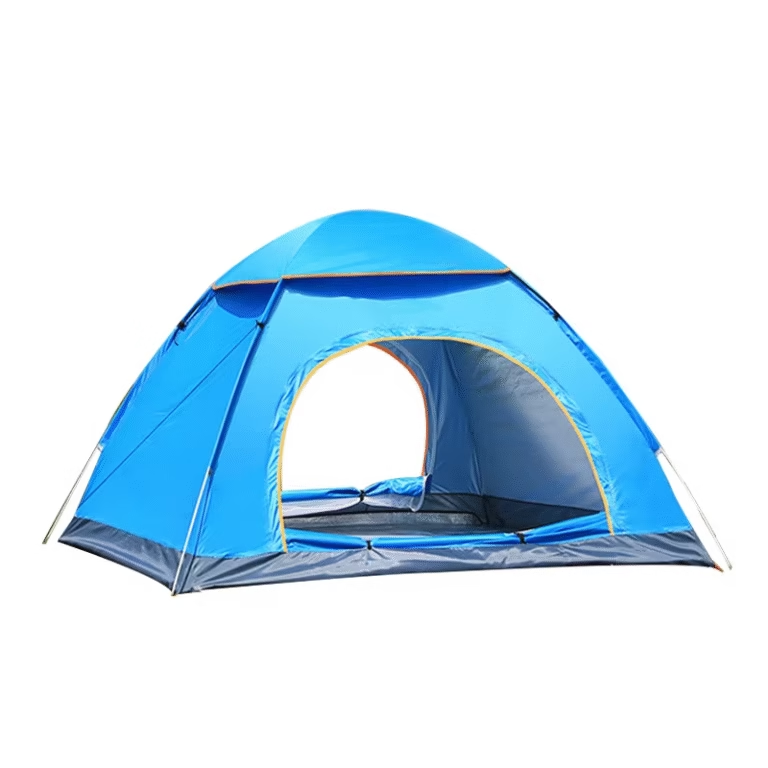
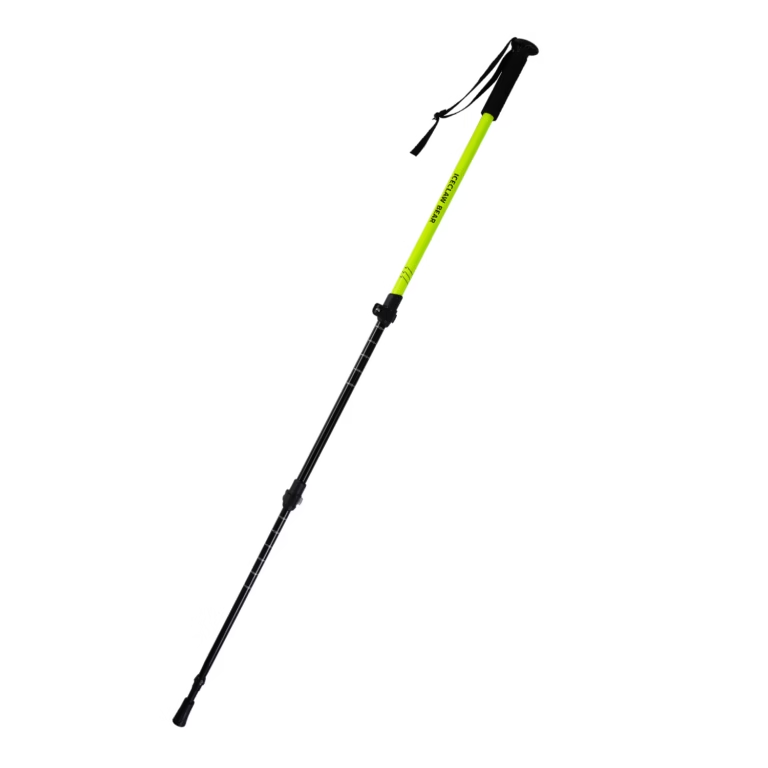
Browse the AnttifySport catalog for the outdoor gear categories referenced in this article. All products shown here are part of our wholesale lineup: wholesale pricing, low MOQ, OEM/ODM support, and pre-shipment inspection assistance available. Contact our team for quotes.