Published: Sep 2026 · Category: Market Insights · Reading time: 8 min
Executive Summary
Q4 2026 is shaping up as a structurally different outdoor-gear holiday season from the previous two years. Cycling accessories continue to absorb demand that complete bikes no longer capture, while ski equipment is leaning on a price-mix story rather than a volume story — outdoor consumers are buying fewer but better-equipped setups heading into the 2026-2027 winter.
This Market Insights brief compares 2024, 2025, and 2026 Q4 patterns for the two categories that matter most for wholesale inventory planning in the back half of the year. Public data from the Outdoor Industry Association, NPD Group/Circana retail tracking, Fortune Business Insights, and Mordor Intelligence frames the picture; specific SKU-level forecasts depend on individual retailer positioning.
The headline numbers
The composite signal: the cycling-accessories category continues to outgrow the broader outdoor market by a wide margin, while ski equipment is in a moderate-growth-but-mix-shift phase. Q4 2026 is where these patterns meet the holiday-ordering cycle.
Cycling accessories: the demand has decoupled from bike sales
The defining structural fact for cycling accessories in 2026 is that the segment is no longer correlated with complete-bike sales. That decoupling happened progressively from 2022-2024 and is now fully visible in the data.
2024 baseline. Complete-bike sales were already flat-to-down versus the 2020-2021 pandemic peak. Cycling accessories were growing at a 4-5% global CAGR, but most wholesale buyers still treated accessories as a complementary category — secondary to bikes in catalog priority and inventory capital allocation.
2025 inflection. Per Fortune Business Insights’ June 2025 update, global bicycle accessories reached $15.5B with a clear acceleration in the second half of the year. NBDA’s 2025 retailer survey recorded over 1,000 US bike-shop closures since 2015, with major brand revenue dropping 20-40% over the same window. Inventory capital was migrating from bikes to accessories as the per-turn economics improved.
2026 Q4 outlook. Three patterns to track:
- Volume up, value up more. Unit volume in cycling accessories is growing 3-4% year-over-year, but average selling price is growing 4-6% as premium tiers (carbon cages, electronic shifting accessories, smart lights with longer battery life) capture a larger share. Q4 holiday baskets skew higher-value.
- Cages and bottles: the anchor pair. Water bottles and bottle cages are the highest-velocity pairing in the category because they sell together at the point of sale. The cage is the anchor; the bottle is the repeat-purchase. Stock 60-70% cages-to-bottles ratio by unit count for Q4 floor sets.
- Lights and locks: gift-tier positioning. Front/rear lights and U-locks have become standard gift items in the $20-$60 retail range. Q4 captures a disproportionate share of annual volume — wholesale buyers should hold 40-50% of annual light/lock inventory in Q4-ready stock by mid-October.
Q4 2026 forecast for cycling accessories: unit volume +3-5% YoY; revenue +7-10% YoY; mix continuing to shift toward the $25-$80 retail tier for accessories that pair with mid-to-high-end bikes.
Ski equipment: a price-mix story, not a volume story
Ski equipment in 2026 is a smaller growth story than cycling accessories, but it is a real one. The growth is driven by category mix and unit-price, not by unit volume.
2024 baseline. The global ski gear market sat near $10.6B with flat-to-modest growth. Participation in core alpine skiing markets (US, Western Europe, Japan) was stable; ski equipment unit volume was largely flat. The category was considered a slow-growing, capital-intensive line by most wholesale buyers.
2025 baseline shift. Per Mordor Intelligence’s 2025 reference data, the market reached $11.42B with a clearer mix story. Apparel dominated at 35.42% of category revenue, while helmets were growing fastest in unit-volume terms. Female participation was emerging as a structural driver, and online channels were accelerating.
2026 outlook (Mordor Intelligence 2026 baseline). The market is projected at $13.68B for 2026, growing to $16.62B by 2031 at 4.79% CAGR. The forecast assumes modest unit-volume growth offset by clear mix-up dynamics:
- Apparel-led revenue. Ski apparel accounts for 35-37% of category revenue and grows steadily. Gloves, goggles, base layers, and jackets are the Q4 holiday gifting core. Buyers should expect a 5-7% YoY revenue uplift in apparel with flat-to-modest unit growth.
- Helmets are the volume story within the category. At a 5.45% CAGR through 2031, helmets are the fastest-growing ski sub-segment. Mandatory safety regulations in EU markets (EN 1078 enforcement tightening) and US resort adoption of helmet requirements are pulling growth. Q4 captures a disproportionate share because helmet + goggles is a standard holiday gift set.
- Female-driven mix shift. The female ski segment is growing at a 6.42% CAGR through 2031, faster than any other end-user segment. Buyers should expand women’s-specific ski accessory inventory by 8-12% for Q4 2026 versus Q4 2025; sizing-specific assortment planning matters more than ever.
- APAC rebalancing. Asia-Pacific is growing at 5.67% CAGR, the fastest of any geography. China’s 313 million winter-sports participants and 60 indoor ski domes (expanding at 20% annually) are the structural drivers. For US and EU wholesale buyers, APAC demand is a tailwind for global pricing power but not directly relevant to North American retail floor sets.
Q4 2026 forecast for ski equipment: unit volume +1-2% YoY; revenue +4-6% YoY; mix shifting further into apparel, helmets, and female-specific SKUs.
Q4 demand patterns compared: 2024 vs 2025 vs 2026
The Q4 share is creeping up across both categories — holiday is taking a larger portion of the annual pie. That trend rewards buyers who pre-book earlier and penalizes buyers who wait for spot-market availability.
Inventory planning implications for Q4 2026
For wholesale buyers planning Q4 2026 orders now, four operational implications stand out:
1. Pre-book cycling accessories by early August. The 2026 demand surge for cages, lights, locks, and hydration is already pulling forward order lead times. Suppliers reporting 60-75 day production cycles from PO to factory-ready for these SKUs. Late Q4 orders face allocation risk.
2. Hold 25-30% more helmet inventory than 2025. Helmets are growing fastest within ski; gift-tier pricing supports higher unit volume; EN 1078 enforcement is pulling incremental demand in EU channels. Buyers who held 100 units in Q4 2025 should plan for 125-130 units in Q4 2026.
3. Expand women’s-specific ski SKUs by 8-12%. Female segment growth at 6.42% CAGR is the structural tailwind. Sizing-specific assortment (sizing runs, color palettes, cut adjustments) is the operational lever. Q4 floor sets that under-weight women’s SKUs will underperform 2025 baseline.
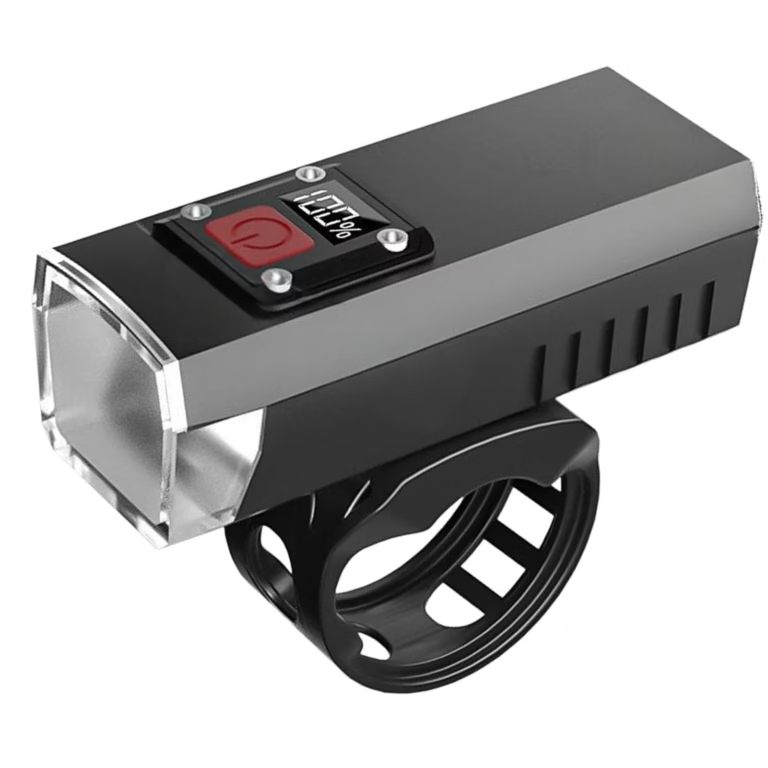
4. Watch the lighting category for smart-feature margin lift. Front and rear lights with USB-C rechargeable batteries, runtime indicators, and brake-light modes are pulling $25-$45 retail pricing. Stock the smart tier as the default Q4 SKU; hold the basic-battery SKU as a value entry.
What could break the forecast
Three downside scenarios could push Q4 2026 below the forecast:
- Tariff escalation. A new round of US tariffs on outdoor gear imports would compress retail margin and pull forward demand into Q3. Buyers should pre-book before tariff windows close and hold contingency inventory plans for re-pricing.
- Weather inversion. A warm, snowless start to the 2026-2027 ski season in North America would compress Q4 ski equipment sell-through and force post-season discounting. Diversifying across categories (mixing ski with non-weather-dependent categories like cycling accessories) reduces this exposure.
- Consumer-spending pullback. Broader consumer-discretionary slowdown, particularly in the $50-$200 retail tier, would hit cycling accessories first. The category’s mid-tier ($25-$80) is the most exposed; premium ($80+) and entry-tier (<$25) are more resilient.
Upside scenarios include a strong early-winter weather pattern (boosting ski demand), a stronger-than-expected APAC export pull (tightening North American supply), and continued migration of capital from complete bikes to accessories (further accelerating cycling accessories sell-through).
Bottom line for sourcing teams
Q4 2026 rewards buyers who pre-book early, stock the growing segments, and accept that the mix is shifting upward in both cycling accessories and ski equipment. The numbers above are baseline forecasts from public industry sources — verify against your specific category and channel data before committing inventory capital.
The cycling accessories segment is structurally favored by the complete-bike market decline. The ski equipment segment is structurally favored by mix-up dynamics within a stable volume base. Both reward buyers who plan for Q4 share-of-revenue growth and pre-book by early August.
About the Author
The AnttifySport Sourcing Team supports wholesale buyers, importers, and brand owners sourcing hiking, camping, cycling, and skiing gear from qualified Asian factories. We’ve worked with over 200 B2B clients across North America, Europe, and Australia since 2018, with a focus on low-MOQ custom orders and OEM/ODM partnerships for emerging outdoor brands.
Have a sourcing question or want to discuss your next product line? Reach out at https://www.anttifysport.com/contact/.
Further reading & sources
- Outdoor Industry Association, 2025 Outdoor Participation Trends Report — used for US outdoor participation figures (183.2M Americans in 2025) and hiking participant data
- NPD Group / Circana, US Retail Tracking Service — Outdoor and Cycling Categories, 2024-2026 quarterly updates — used for retail sell-through patterns and category growth
- Fortune Business Insights, Bicycle Accessories Market — June 2026 Update — used for global cycling accessories market size and CAGR ($16.33B in 2026, 5.3% CAGR through 2034)
- Mordor Intelligence, Ski Gear and Equipment Market — 2026-2031 Forecast — used for ski market size ($13.68B 2026), CAGR (4.79%), helmet CAGR (5.45%), female segment CAGR (6.42%), and APAC growth figures
- Fortune Business Insights, Skiing Equipment Market — August 2026 Update — used for cross-validation of ski market size ($9.41B 2026 narrow definition, $9.02B 2025 actual)
- NBDA (National Bicycle Dealers Association), 2025 Specialty Bicycle Retailer Survey and Annual Report — used for bike-shop closure trends and brand revenue figures
- PeopleForBikes, 2025 Industry Trade Group Reports — used for industry representation and DTC trend data
Public data sources cited; readers should verify specific market-size figures and growth rates against the latest editions of these reports before committing inventory decisions. Forecasts are based on Q3 2026 baseline data and may shift with tariff changes, weather patterns, and consumer-spending trends.
This article is for informational purposes only and does not constitute financial, investment, or professional forecasting advice. Market-size figures, growth-rate projections, and demand-pattern analyses referenced here are drawn from publicly available industry reports as of September 2026; specific inventory and procurement decisions should be validated against the latest available data, current retail sell-through metrics from the buyer’s own channels, and the most recent guidance from qualified industry analysts. The author and AnttifySport make no representations or warranties regarding the accuracy of third-party forecasts or the achievability of any specific revenue or volume target. Forward-looking statements are subject to material risks including tariff changes, weather variability, and shifts in consumer discretionary spending that are outside the scope of this analysis.
Related Products from AnttifySport
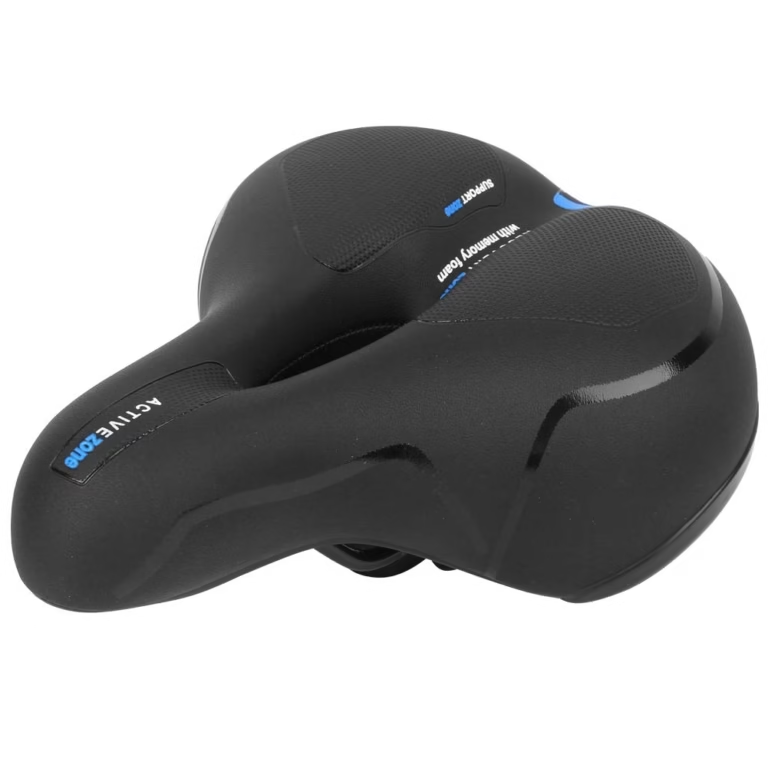
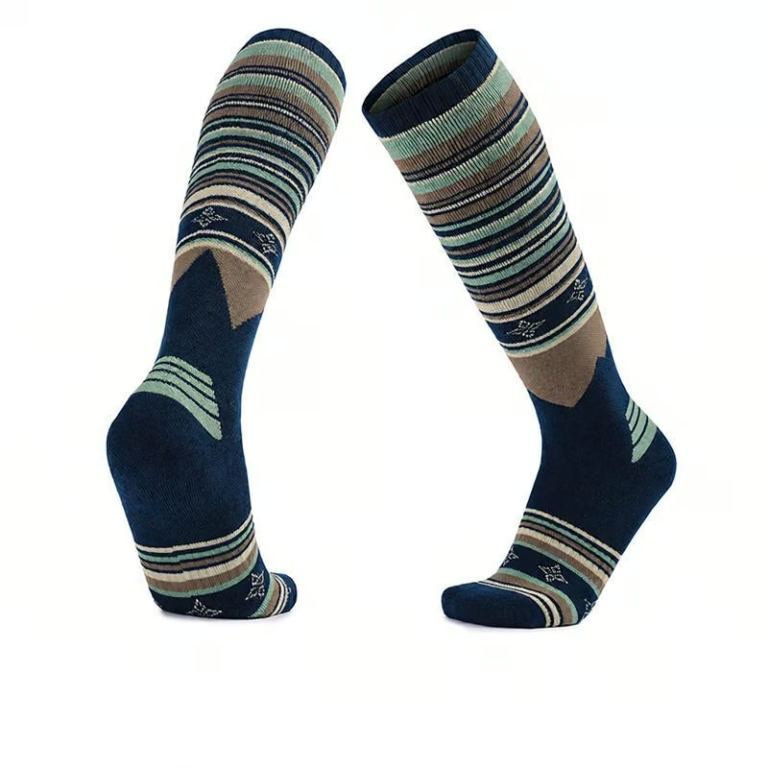
Browse the AnttifySport catalog for outdoor gear covered in this article. All products shown here are part of our wholesale lineup — wholesale pricing, low MOQ, and OEM/ODM support available. Contact our team for quotes.