How to Store Ski Equipment Between Seasons
Published: 2026-11-04 | Category: Outdoor How-to | Reading time: 9 min

Why Storage Matters More Than People Expect
Most ski damage is not caused by a fall. It is caused by a summer in a garage. Skis are built to flex along their length, and flex is the mechanism that lets them turn; store them flat for a season and the base can take a set that changes how the ski tracks. Boots are worse, because the shell and the liner are two different materials moving at different rates, and a compressed liner does not recover to the shape it had when the boot was fitted. The equipment comes out in October, the customer picks it up in December, and the complaint arrives in January as a ski that tracks badly or a boot that hurts.
For a retailer this is a commercial problem before it is a technical one. Storage damage shows up as a return, and a return on a ski or a boot is expensive: you have absorbed the original order, you may have already sold the replacement, and the customer relationship takes the hit regardless of who was at fault. The off-season is also when most of this equipment is standing still in a warehouse or a back room, so the storage decision is usually made by whoever has the least incentive to think about it carefully.
The Five Checks Before Anything Is Stored
Work through the equipment in this order, and the order matters: the highest-value items get the attention first while you still have time to act on what you find. A ski that needs an edge base repair now is a ski that needs an edge base repair now. The same ski found in August is a ski that has sat flat for four months and may need a base grind and a full flex check.
- Edges first. A dull edge is the cheapest thing to fix and the fastest thing to ruin. Check each edge for burrs and flat spots before the ski goes into storage, and set the edges properly for the surface you will be skiing. A dull edge stored for months picks up damage that a set edge would not have.
- Bases next. Look for embedded ice, road salt, and gouges. These do not improve in storage. A base that has picked up grit should be cleaned and waxed before it is put away, not in the week before the season opens.
- Bindings third. Bindings release their grip as the hardware relaxes, and a ski stored unbound can lose toe or heel pieces entirely. Either release the bindings before storing or loosen the mounting DIN enough that the piece does not grip the ski, and check that every piece is present and matched to its ski.
- Boots before shells are closed up. Take the liners out, dry them fully, and check the power strap, the buckles, and the shell for cracks around the cuff. This is also the moment to note the fit, because a customer whose feet changed over the summer needs a re-fit conversation, and it is much easier to have before the season than during it.
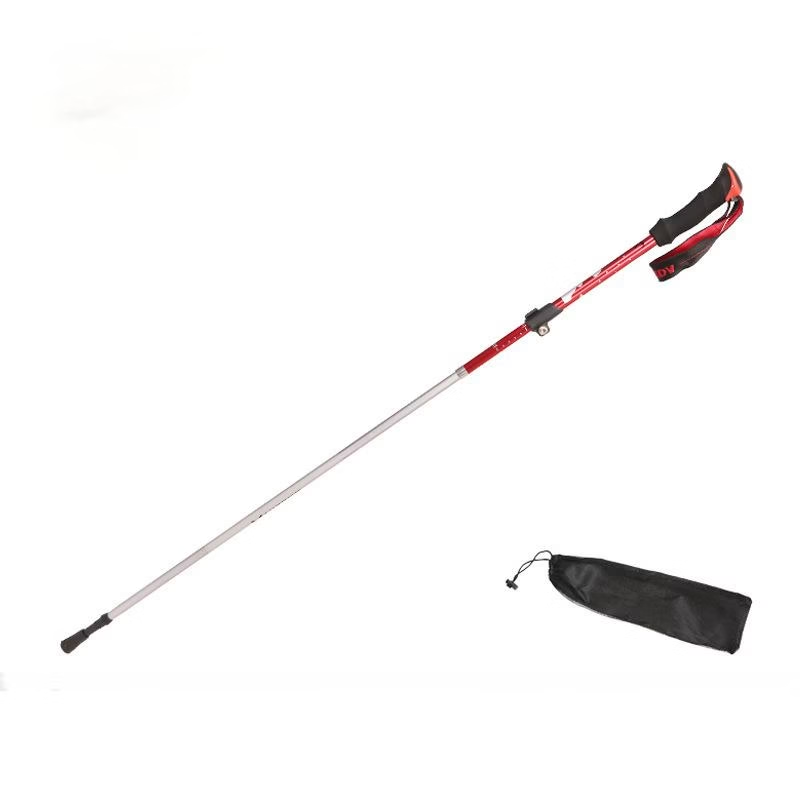
- Poles last. Check the baskets and grips, and look for the failure that matters most with poles: a strap that has perished and will snap under load. That failure is not visible in storage but it is entirely predictable from a grip that has been in a warm car for two summers.
Wax: The Temperature Range Is the Whole Decision
Wax choice is a temperature decision, and getting it wrong is worse than not waxing at all. A wax that is too soft for the storage temperature or the expected conditions will bond to the base rather than sliding off it, and the result is a ski that glides like a wet board for the first few days of the season until the wax finally sheds. The practical rule is to keep the storage temperature inside the working range of the wax you are using, and to remember that a warehouse in a warm climate is not a cold store.
Two approaches work. The first is a universal wax applied at a temperature appropriate to the range you expect, accepting that it is a compromise. The second is a two-wax setup: a colder, harder base wax for the surface temperatures you will actually ski, with a warmer overlay for the days the temperature climbs. For most retail operations the second is over-engineering unless you are running a rental or a race programme, but the first still requires that you apply it once, at the right temperature, and store the ski somewhere the wax will stay in its working range.
Skis Upright or Flat, and Why It Matters
The general rule is that skis should be stored upright, on edge, supported so that the base is not carrying the weight of the ski and the tips are not resting on a hard floor. Flat storage across the middle of the ski is what produces the set: the base is pressed flat and the edges are pushed outward, and the ski loses some of its camber and its sidecut behaviour in the process. The damage is slow and it is permanent, and it will not show up in a base inspection that only looks for scratches.
A ski rack solves this if the skis are actually stored on edge. A flat stack on a shelf solves nothing except saving floor space, and the space saved is rented space that was cheaper to rent than the replacement cost of the skis. If vertical storage is genuinely impossible, the compromise is to support the skis across their length at the binding zone, which limits the set considerably compared with a full-length flat rest — but vertical is better.
Skis Stored in Bags Need Their Own Attention
A ski bag protects against impact and dirt, and it does nothing at all for the set that develops in a ski held flat in a bag. If you use bags, the bag has to allow the ski to sit on edge or be supported along its length, and the bag has to be breathable — a sealed bag around a ski that has come in from the wet traps moisture against the base, and the corrosion and base degradation that follow are worse than no bag at all.
Keep the waxing done before the bag goes on. A ski bag is not a reason to defer the base work to October, because the base work is the part that benefits most from being done while the ski is still on the bench and the tools are out.
Boots: The Most Neglected Item in the Range
Boots get stored, and then they get forgotten, and then they come out of the box still shaped like the last customer’s foot. This is the single most common cause of a boot-related complaint after a summer, and it is entirely avoidable. Three things reliably prevent it.
Remove the liners and store them separately from the shells. A liner and a shell stored together are two different materials compressed against each other for months, and the liner takes the shape of the shell rather than the foot. Dry them completely before they go back in — a damp liner in a sealed shell is the fastest route to both odour and material breakdown. And leave the buckles open, with the power strap detached, so nothing is holding the shell in a compressed shape.
A boot dryer is the cheapest insurance in the range. It costs very little, it takes an afternoon to run after a wet week, and it removes the single largest source of both odour complaints and liner deterioration. For a retailer with a boot stock of any size, a dryer pays for itself in one season of fewer complaints.
A Simple Storage Checklist Worth Keeping
Off-season storage goes wrong quietly, so it is worth having a short written routine rather than relying on whoever happens to be closing up the warehouse. The following list is the routine, and the order is deliberate.
| Step | When | What to do | What it prevents |
|---|---|---|---|
| 1 | Last week of season | Check and set edges, clean bases, inspect for gouges | Dull edges and embedded grit that worsen in storage |
| 2 | Last week of season | Release or loosen bindings, confirm every piece is matched | Lost toe and heel pieces |
| 3 | Last week of season | Dry liners fully, remove from shells, open buckles | Compression set, odour, liner breakdown |
| 4 | After cleaning | Apply wax at a temperature inside its working range | Wax bonding to the base and poor early-season glide |
| 5 | Before shelving | Store upright on edge, or supported along the length | Permanent camber and sidecut set |
| 6 | Monthly | Check the store stays inside the wax working range, run a dryer on boots | Heat damage to wax and trapped moisture |
| 7 | One month before season | Re-check edges, pull liners and refit, inspect straps and grips | Most customer complaints that appear in January |
Common Mistakes Worth Avoiding
The most common mistake is treating storage as a decision rather than a process, and letting the decision be made by whoever finds the space. The second is deferring all off-season maintenance to the week before opening, which is the same week you need that bench for customers. The third is storing boots shut, which costs nothing to avoid and produces the complaints that are hardest to explain to the customer, because the equipment looks perfect and still does not fit.
None of this requires specialist equipment. It requires the routine to be written down, assigned, and done before the equipment is put away rather than after.
About the Author
This guide is written by the AnttifySport sourcing team, who work directly with manufacturers of outdoor equipment for the wholesale market. The recommendations reflect what has held up in actual order cycles rather than general policy language.
Further Reading & Sources
Related guides on AnttifySport covering the equipment and seasonal planning topics that sit alongside off-season storage.
- Ski Goggle Lens Guide — VLT, Color Tints, Weather Matching — the other piece of ski equipment that needs seasonal attention, and the numbers that decide lens choice.
- Ski Gear Sourcing Calendar — Order Timing for Winter 2026/27 — when to order, and how the off-season is when that ordering decision gets made.
- Tent Setup for First-Time Campers — a second category where storage conditions decide whether the first season goes well.
- Trekking Pole Materials — Carbon Fiber vs Aluminum vs Wood — how material choice changes the storage and care routine for poles.