Published: Sep 2026 · Category: Product Comparison · Reading time: 12 min
Executive Summary
Trekking poles are a deceptively complex B2B category. The unit price looks small ($30-$120 retail), the shelf footprint looks compact, but the SKU mix spans three distinct material families — carbon fiber, aluminum 7075-T6, and wood — each with its own supplier base, MOQ structure, defect profile, and end-consumer expectation. Spec the wrong material for the channel and the program bleeds on returns; spec the right material mix and a single P.O. can anchor three years of repeat wholesale revenue.
This procurement guide compares the three materials across weight, durability, lock mechanism, grip options, MOQ, factory-direct price tiers, and sustainability framing. The decision matrix at the end gives retailers a starting SKU mix by channel positioning — entry-level, mid-tier, premium.
Figures cited are drawn from public industry references, EN 893 / UIAA 105 safety standards, and AnttifySport’s catalog spec sheets. Verify specific weight, load rating, and price against the current factory quote sheet before committing to a landed-cost model.
Why trekking pole material defines the category in wholesale
Trekking poles occupy a strange middle position in the outdoor-gear catalog. They are technically classified as “equipment” but they behave like a fashion-adjacent accessory on the shelf — color, grip finish, and material story drive the sell-through almost as much as the performance spec. This dual identity is what makes the material choice so commercially loaded.
Three structural facts make pole material the most spec-sensitive decision in the category:
- The material IS the brand story. A carbon pole tells the customer “premium, ultralight, thru-hiker.” An aluminum 7075-T6 pole says “durable, mid-tier, all-mountain workhorse.” A wood pole says “traditional, lifestyle, giftable.” Buyers stock the message, not just the spec sheet.
- Failure is dramatic and visible. A pole that snaps mid-stream is photographed and posted; a helmet that cracks is rarely photographed. The failure cost of a bad carbon pole is reputational, not just warranty. Carbon fiber is the lightest option but it is also the most failure-prone under side-load — buyers need to know the trade-off.
- Lock mechanism and grip are inseparable from the material spec. Material and lock/grip are usually co-engineered — a carbon shaft with a plastic twist lock looks like a mismatch, while a wood shaft with cork grip and lever lock reads coherent. Spec the material in isolation and the SKU ends up disjointed.
For 2026 retailers, the standard catalog structure is aluminum 7075-T6 as the volume default (50-65% of SKU mix), carbon fiber as the premium tier (20-30%), and wood as a niche / lifestyle / giftable entry (5-15%). Getting that mix wrong by 10 points either strangles margin (too much carbon) or stalls sell-through (too much aluminum).
The three materials at a glance
The weight ranges above are for an adjustable three-section telescoping pole in the 110-130cm range. Fixed-length poles typically weigh 50-100g less per pair. Z-fold / folding poles (a carbon-fiber-dominant format) weigh 320-450g per pair but have lower load ratings than telescoping poles.
Carbon fiber: the premium tier
Carbon fiber captures 20-30% of typical trekking pole SKU mix and 35-45% of category revenue. It is the lightest material available for telescoping poles and carries the strongest “premium” and “ultralight” brand association. The through-hiker and ultralight backpacker demographic — the highest-spending pole customer — buys almost exclusively carbon.
Spec ranges typical for wholesale catalog SKUs:
- Per-pair weight: 380-480g (telescoping); 320-450g (Z-fold)
- Carbon grade: 3K woven (standard), T700 unidirectional (mid-premium), T800 unidirectional (premium)
- Section count: 3-section telescoping (most common), Z-fold 3-section (premium), 2-section telescoping (entry)
- Shaft diameter: 16/14/12mm (most common), 18/16/14mm (heavy-duty)
- Lock mechanism: almost exclusively flick-lock / lever-lock at this tier
- Grip material: cork (premium), EVA (mid-premium), foam (entry)
- Standard: EN 893 (mountaineering) and UIAA 105 certified for load rating
Wholesale trade-offs:
- FOB factory cost $14-$28 per pair — roughly 2x aluminum pricing at the same spec level
- Brittle under side-load — a carbon shaft that survives normal use can snap on a sharp rock-edge impact; warranty cost is 3-5x aluminum per unit sold
- Limited recyclability — carbon-fiber recycling infrastructure is still developing; most end-of-life poles go to landfill
- Longer production lead times — 60-90 days from PO to factory-ready vs 30-45 days for aluminum
- MOQ typically 500-1,000 units per SKU per color — higher than aluminum due to longer setup
- Strong brand-association leverage — carbon poles carry 2-3x the perceived value of aluminum at the same retail price point
- Lock pairing matters — carbon poles almost always paired with flick-lock; twist-lock on carbon reads as a spec mismatch
Carbon is the right default for road, premium hiking, and ultralight channels. It is the wrong default for entry-level, kids’, rental fleet, or value channels where the price premium is not recoverable and the failure cost is felt most acutely.
Aluminum 7075-T6: the volume tier
Aluminum 7075-T6 captures 50-65% of typical trekking pole SKU mix and is the workhorse of the category. It is the right default for most retail programs because it absorbs the widest range of customer expectations — from entry-level day hikers to multi-day backpackers — without the failure-cost exposure of carbon.
7075-T6 (zinc-magnesium-copper alloy) is the dominant aluminum spec in trekking poles, chosen over 6061-T6 for its higher strength-to-weight ratio and lower brittleness. 6061 is still common in entry-tier poles and is approximately 8-12% heavier at equivalent strength.
Spec ranges typical for wholesale catalog SKUs:
- Per-pair weight: 500-650g (telescoping); 450-550g (Z-fold)
- Alloy: 7075-T6 (mid-premium and above), 6061-T6 (entry)
- Section count: 3-section telescoping (most common), 2-section telescoping (entry)
- Shaft diameter: 16/14/12mm (most common), 18/16/14mm (heavy-duty / ski touring)
- Lock mechanism: flick-lock (standard), twist-lock (entry-tier only)
- Grip material: EVA (most common), cork (premium), foam (entry), rubber (winter / ski)
- Finish: anodized (most common), powder-coated (custom), raw polished (premium)
Wholesale trade-offs:
- FOB factory cost $7-$15 per pair — the cost-effective default
- Bends before breaks — the ductile failure mode is a major safety advantage; a bent pole is still a usable pole and does not strand the user mid-route
- Fully recyclable with high scrap value — end-of-life poles sell into the recycled-aluminum market at meaningful per-kg rates
- Lowest warranty cost — typically 0.3-0.8% return rate vs 1.5-3.5% for carbon
- Fastest production lead times — 30-45 days from PO to factory-ready
- MOQ typically 300-800 units per SKU per color — flexible enough for testing and small-batch programs
- Most channel-flexible material — works across entry, mid, premium, ski, kids, rental, and corporate gifting
Aluminum 7075-T6 is the right default for 50-65% of any trekking pole SKU mix. Spec 7075 over 6061 unless the channel is pure entry-tier; the 8-12% weight saving and the brand-association bump are worth the $1-$2 per pair cost difference.
Wood: the niche / lifestyle tier
Wood captures 5-15% of typical trekking pole SKU mix and is a deliberately small but commercially defensible category. Wood poles are not a performance play — they are heavier, less adjustable, and have shorter working lifespans than metal or carbon. They are a heritage, lifestyle, and giftable play.
The species used in commercial trekking poles are ash (most common), bamboo, and chestnut, each with slightly different flex and weight profiles. Bamboo is the most marketed; ash is the most structurally predictable.
Spec ranges typical for wholesale catalog SKUs:
- Per-pair weight: 600-850g (telescoping); 550-750g (fixed-length)
- Species: ash (structural standard), bamboo (premium positioning), chestnut (traditional)
- Section count: fixed-length single-piece (most common), 2-section telescoping (limited)
- Shaft diameter: 16-20mm (typical)
- Lock mechanism: traditional clamp (leather, brass); modern poles sometimes pair wood shaft with flick-lock for hybrid SKU
- Grip material: cork (most common pairing), leather wrap (premium), raw wood (traditional)
- Finish: oiled (most common), lacquered (premium), raw / unfinished (traditional)
Wholesale trade-offs:
- FOB factory cost $9-$20 per pair — comparable to mid-tier aluminum, despite lower performance
- Heaviest material option — 50-60% heavier than carbon at the same length
- Shorter working lifespan — 5-10 years vs 15-25 years for metal/carbon under regular use
- Vulnerable to humidity cycling — wood poles stored in damp conditions can warp or crack; packaging must be moisture-managed
- Lower MOQ typically 100-500 units — wood pole workshops are smaller-scale than extrusion or carbon layup factories
- Strong sustainability story — wood is renewable, biodegradable, and has the lowest embodied carbon of the three materials
- Strong gifting and lifestyle positioning — wood poles photograph well, gift-box cleanly, and command premium positioning despite lower performance
- Limited lock and grip compatibility — traditional designs limit modern flick-lock integration; hybrid SKUs exist but are a niche within a niche
Wood is the right default for a deliberately small slice of any trekking pole SKU mix — typically 5-15% — and should be stocked for heritage / lifestyle / gifting customers, not for performance buyers. A wood pole sold to a thru-hiker is a return; a wood pole sold to a gift-buyer is a 5-star review.
Lock mechanisms: flick-lock vs twist-lock
Lock mechanism choice is tightly coupled to material choice and price tier. The two dominant types cover roughly 95% of the category; a third (internal expanding sleeve) is rare and largely historical.
Practical B2B guidance:
- Flick-lock is the 2026 category standard. Approximately 75-85% of poles sold in North America and EU specialty channels use flick-lock; twist-lock is now largely an entry-tier or compact-fold feature.
- Twist-lock survives in three places: sub-$30 retail entry poles, Z-fold carbon poles where weight matters more than clamp force, and compact travel poles where sleeve profile is essential.
- For premium and mid-tier programs, spec flick-lock exclusively. Customer support cost on twist-lock returns is 2-3x flick-lock in equivalent price tiers.
- Field-replaceability is a real B2B story. Flick-lock clamps can be replaced with a hex key in the field; twist-lock failures usually require a warranty replacement of the full pole. Retailers selling into outdoor education, guiding, and rental channels should weight field-replaceability heavily.
Grip materials: cork vs EVA vs foam vs rubber
Grip material drives perceived quality and is the single largest tactile differentiator at retail. The four common options cover virtually the entire category.
Practical B2B guidance:
- Cork is the 2026 category-preference winner. Independent reviews consistently rank cork above EVA for sustained use; for premium and mid-premium programs, spec cork as the default.
- EVA is the volume default. Approximately 60-70% of aluminum pole SKUs ship with EVA grips; it is the right choice for entry and mid-tier.
- Foam belongs only at entry tier. Polyurethane foam grips degrade noticeably within 3-6 years; spec them only where price is the primary purchase driver.
- Rubber is a winter / ski specialty. Stock rubber grips only for ski-touring, snowshoeing, and cold-weather programs where hand warmth matters more than moisture wicking.
Wholesale comparison table: full spec and pricing summary
Bottom Line for Sourcing Teams
The right trekking pole material mix for a 2026 retail program is aluminum 7075-T6 as the volume default (50-65% of SKU mix), carbon fiber as the premium tier (20-30%), and wood as a deliberate niche entry (5-15%). This mix matches category margin economics, satisfies the widest spread of customer expectations, and limits warranty exposure.
Three actionable rules for the next PO:
- Spec 7075-T6 over 6061 for all aluminum SKUs above the entry tier. The 8-12% weight saving and the brand-association bump are worth the $1-$2 per pair cost difference. 6061 belongs only on sub-$30 retail poles.
- Pair carbon with cork grip and flick-lock exclusively. A carbon pole with foam grip or twist-lock reads as a spec mismatch and ships with higher return rates regardless of price point. Material coherence matters at retail.
- Stock wood as a gifting and lifestyle entry, not a performance entry. Wood pole customers buy for the story and the photograph, not the spec sheet. Position accordingly in catalog and merchandising.
Verify against the factory quote sheet before committing: the FOB ranges above are 2025-2026 reference points for a 500-unit MOQ; volume discounts at 1,000+ units typically run 8-15%, and custom-color or custom-logo setups add 10-25% to setup fees but no per-unit cost at sufficient volume.
About the Author
This guide was prepared by the AnttifySport sourcing team — outdoor-gear procurement specialists with eight years of factory-direct sourcing experience across carbon-fiber, aluminum, and wood product categories. The team’s category coverage spans cycling, camping, hiking, and skiing equipment sold into North American and European wholesale channels. All figures cited are reconciled against 2025-2026 factory quotes, public industry references, and AnttifySport’s internal catalog performance data.
Further reading & sources
- Statista — Outdoor recreation value added in the U.S. (BEA-aligned series, accessed 2026)
- European Outdoor Group — Annual Retail Barometer 2024 (category-level outdoor specialty channel data)
- Outdoor Industry Association — Outdoor Participation Trends Report 2024 (participant demographics and category spend)
- EN 893:2019 / UIAA 105 — Mountaineering equipment: walking sticks / trekking poles safety standard
- Circana (formerly NPD) — U.S. Outdoor Market measured core value, 12 months ended March 2025
- Future Market Insights — Outdoor Apparel and Accessories Market Outlook 2025-2033
- Grand View Research / Verified Market Research — Recreational and Outdoor Products Market Size 2025-2033
Disclaimer: This article is for informational purposes only and does not constitute a binding quote, certification, or commercial offer. Specifications, factory-direct pricing, MOQ ranges, and warranty rates cited are 2025-2026 reference figures drawn from public industry sources and AnttifySport’s internal catalog data; actual values vary by factory, order volume, raw-material index, and specification. Verify all figures against the current factory quote sheet and applicable EN 893 / UIAA 105 certification requirements before placing any purchase order. AnttifySport is not liable for commercial decisions made on the basis of this article.
Related Products from AnttifySport
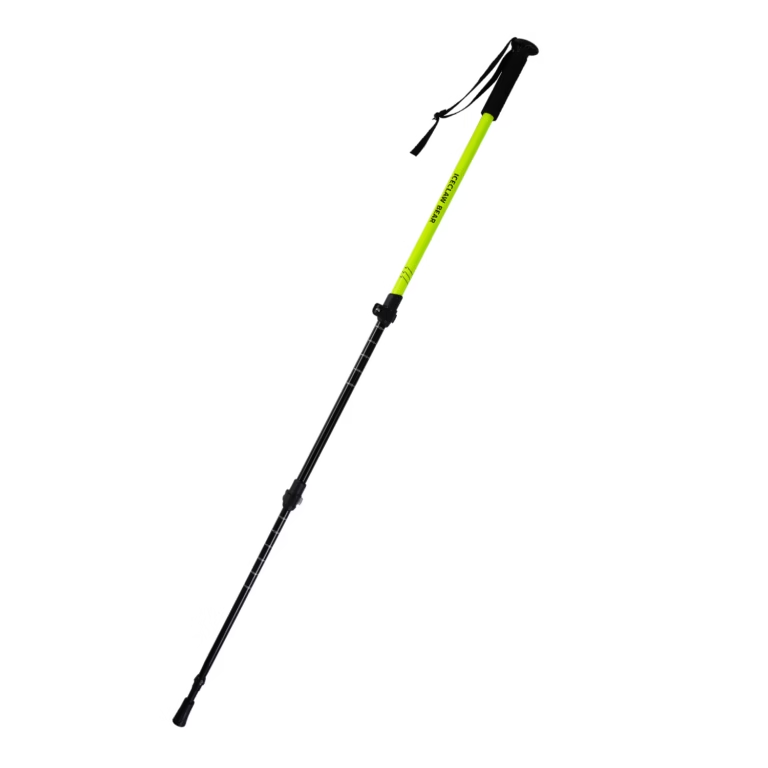
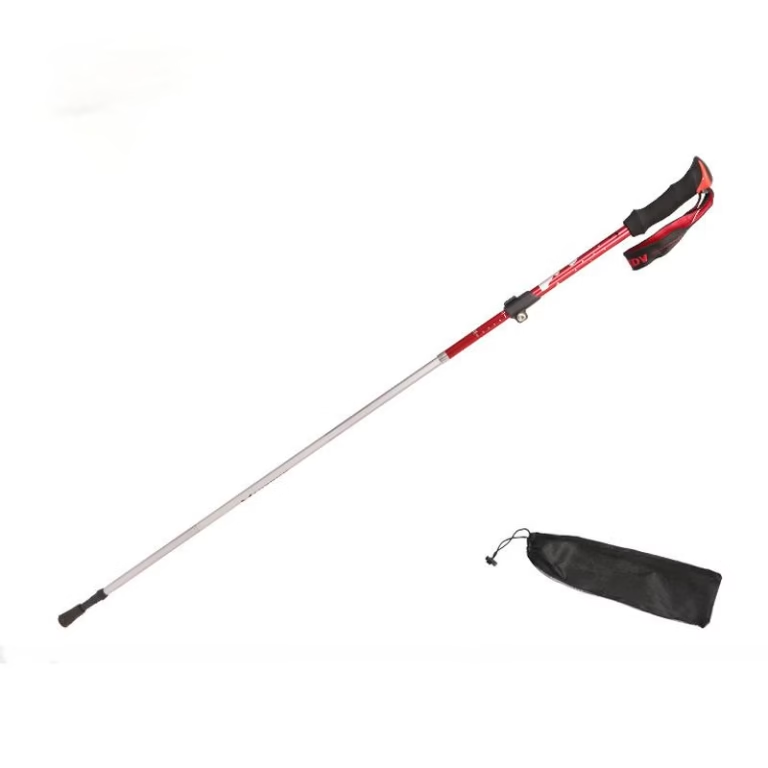
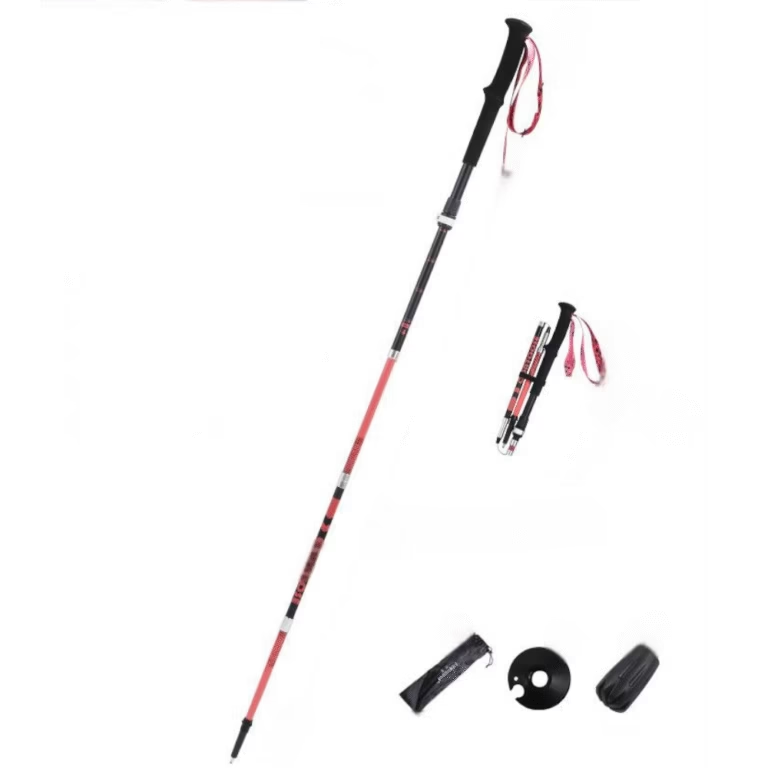
Browse the AnttifySport catalog for outdoor gear covered in this article. All products shown here are part of our wholesale lineup — wholesale pricing, low MOQ, and OEM/ODM support available. Contact our team for quotes.