
How Trade Shows Shape Outdoor Sourcing Relationships
Published: 2026-11-04 | Category: Market Insights | Reading time: 10 min
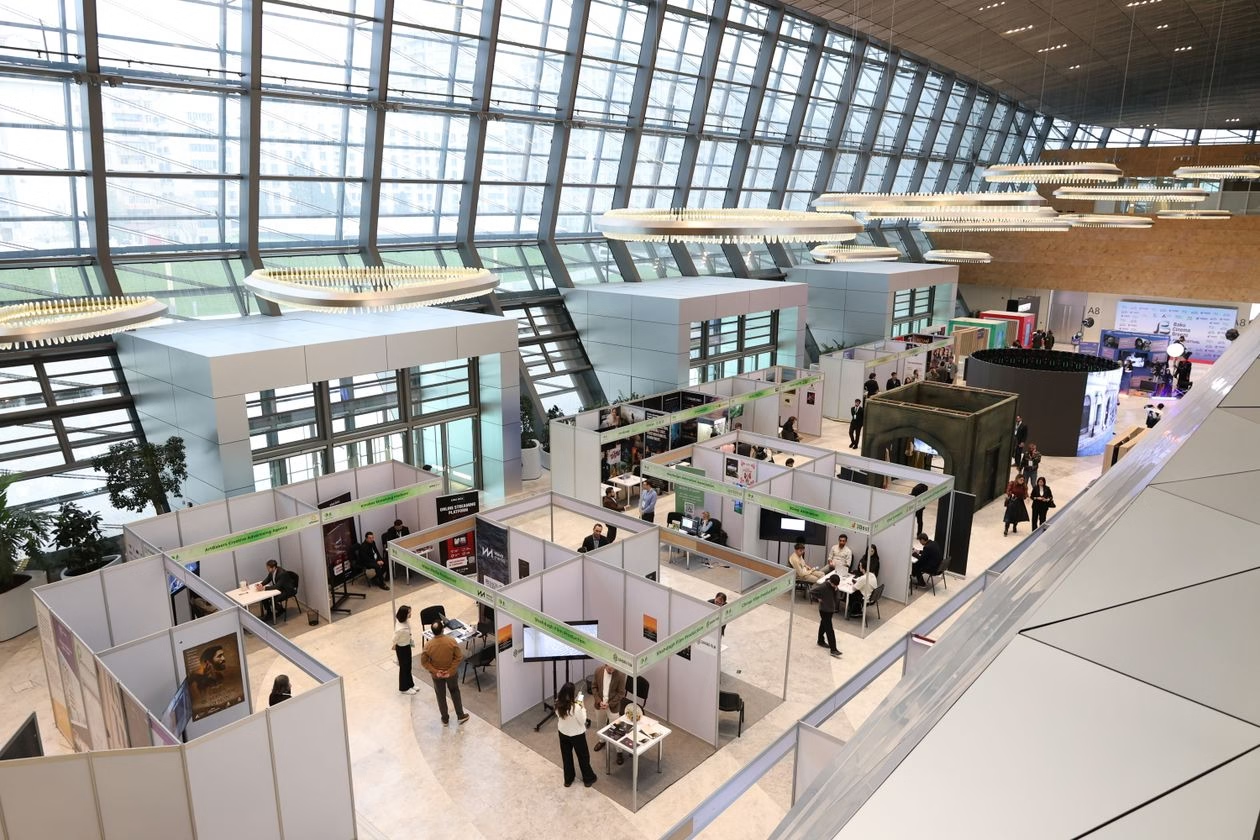
Executive Summary
A trade show is the most expensive way to meet a supplier and the only place where you can compare many of them side by side in a single day. That combination is unique, and it is also the reason so much buying done at a show is worse than buying done at a desk. The show gives you information density; it does not give you time. A buyer who treats three days at a booth as three days of sampling walks away with an impression rather than a specification, and the specification is what determines whether the order works.
This guide covers what a trade show is genuinely good for, what it cannot tell you, and how to structure the time so that the show produces data rather than impressions. It is written for buyers and small importers, who typically attend with one or two colleagues and a limited budget — a different constraint from the large importers who bring a buying team and a fixed schedule.
What a Trade Show Is Genuinely Good For
Three things, and they are worth the trip on their own. First, benchmarking: seeing what a competitor’s product looks like in person tells you more about the price level than any quotation, because you can see the construction decisions that cost money. Second, direct factory access: at a show you can be in the same room with the people who run the production line, which compresses the distance between a question and a fact. Third, comparison at scale: twelve suppliers in one hall let you notice when a supplier’s minimum order is conspicuously higher than everyone else’s in the same category, or when the price point sits strangely close to a competitor’s.
There is a fourth, less obvious benefit. Showing up in person is what converts a supplier relationship from transactional to something faster later. A supplier who has met the buyer will answer a hard technical question at nine in the evening on the factory floor in a way they will not answer in a slow email chain, and that difference compounds across an entire product programme.
What a Trade Show Cannot Tell You
It cannot tell you how the product performs, and the gap between a booth sample and a production unit is the largest single source of disappointment in this industry. A booth sample is often a modified unit — a different fabric, a lighter component, a finish upgraded for display. It is also frequently assembled by hand rather than by the production line, and a hand-assembled unit tells you about a craftsperson, not about a production system.
It cannot tell you whether the factory will produce the same thing twice. Quality consistency is invisible at a show, because you are seeing one unit and the question is about five hundred. It cannot tell you about lead time under real load, because the supplier’s exhibition samples are made in a quiet month. And it cannot tell you anything about the compliance and documentation side, which is exactly the information a serious importer needs most and which is almost never on display.
The practical consequence is that the show produces a shortlist, not a decision. Any buying process that ends at the booth is a process that will be revisited by a customer complaint six months later.
Structuring the Time: Before, During, After
The value of a show is mostly determined by the work before and after it, and the middle is the shortest part. A useful structure looks like this, and it applies equally to a large European show and a small specialist one.
| Phase | What to do | Output |
|---|---|---|
| Two weeks before | Shortlist categories and target exhibitors; list the specifications you need confirmed | A written question list per supplier |
| Day one | Visit every target supplier, do not negotiate, collect material and catalogue | Contact log with samples |
| Day two | Second visits only, to the three most promising; ask the hard technical questions | Comparison sheet with prices |
| Day three | Market aisle walk — competitors, and suppliers outside your target category | Price positioning notes |
| Within one week | Send written follow-ups with the question list attached, per supplier | Quotations on record |
| Within one month | Order samples from two suppliers and test them side by side | A decision based on tested units |
Using the Show to Benchmark Pricing
Pricing benchmarking is the use of a show that pays for itself fastest, and it is done by looking at construction rather than at price. At a booth you can see whether the fabric is single-layer or double, whether the frame is aluminium or glass-filled nylon, whether the zippers are branded, whether the stitching is visible on the inside or hidden. Each of those decisions has a cost attached, and seeing them side by side in one hall tells you where the market’s price band actually sits — which is often not the band you assumed when you sent the enquiry.
Two rules make the benchmarking useful. Record the construction, not just the price, because a price without a specification is not comparable to anything. And do the comparison across categories rather than within one, because seeing what a comparable product costs in a different segment reveals the market’s general pricing logic, which then tells you whether a quoted price in your own segment is high.
Validating the Factory Behind the Booth
The single most useful question at a show is the one that reveals who is actually behind the booth: are you the factory, or do you handle sourcing? A supplier who is a manufacturer will talk about production scheduling, capacity, and tooling without hesitation, and will have opinions about which operations they do in-house. A trading company will talk about flexibility, and its answer to almost every technical question will route toward a partner.
This matters commercially, not just for preference. A factory quote is a quote from the party who controls the cost. A trading company quote contains a margin on top of a factory quote, plus the risk that the factory behind it is one you have never met. Neither is wrong, but they are different products and they should be priced and assessed differently.
Follow up by asking to see the production floor. Some exhibitors will arrange a visit during the show or shortly after it; some will decline, and the reason matters. A manufacturer with a real production line has little reason to hide it. A company whose factory is several hours away has a legitimate logistical reason, and that is also a reason the buyer’s visit has to be planned rather than assumed.
Building a Supplier Shortlist You Can Act On
The output of a show should be a shortlist of two or three suppliers per category, each with a written record. A contact log with a catalogue in it is not enough, because six weeks later you will be comparing memory against memory. What actually pays off is a one-page record per supplier: the categories they make, the construction options they offered, their MOQ and price band, their claimed lead time, whether they are a factory, what they said about compliance documentation, and what you still need to confirm.
That last field — what you still need to confirm — is the one that turns a show into a process rather than an event. Most of it is confirmed in the sample order, which is why the sample test should sit in the plan from the first day rather than being added later. The suppliers who cannot answer the documentation questions at the booth are the ones who will not answer them in the sample either, and finding that out at the show is the cheapest possible time to find it out.
What to bring back to the office. The physical material from a show matters, and the most valuable items are unglamorous. Collect more than one sample per product: the same model in two colourways shows whether the dye quality is consistent, and two units of the same model show whether the factory holds its own standard between units. Take the material samples — the fabric swatch, the webbing, the zip, the buckle — because these are what determine whether the quoted specification matches what will actually be produced.
Take the catalogue but mark it up. Note which products the supplier is pushing versus which ones they are genuinely strong in, because the push tells you where the margin is and the strength tells you where the factory’s advantage lies. A supplier whose best product is the one they lead with is usually the better supplier for that product, and a supplier whose best product is the one in the second half of the catalogue is usually selling the wrong thing to you.
How Shows Change a Supplier Relationship
The measurable change is in response time and in the quality of what comes back. A supplier who has met you will return a quotation in days rather than weeks, because they have already answered most of the technical questions in person and the remaining ones are about price. More importantly, they will return a more accurate quotation, because the show is where the specification gets pinned down, and a specification pinned down in conversation does not drift in the way that a specification written into an enquiry email drifts.
The second measurable change is in how the relationship handles a problem later. When something goes wrong on a shipment, the first call is easier to make to someone you have met, and the supplier is more likely to have prepared a real answer rather than a generic one. This is not a sentimental argument — it is the difference between a claim that is resolved in a week and one that is escalated across departments.
Common Mistakes Worth Avoiding
The most common mistake is negotiating at the booth. Prices agreed in a show are frequently agreed optimistically, because nobody wants to lose the deal in front of a competitor, and the specification behind the price is usually still open. The second is treating the show catalogue as the product range without checking whether the factory actually produces it. The third is leaving without a written follow-up, which turns three days of contact into nothing, because the details that matter — the MOQ, the lead time, the certification — will never appear in a catalogue.
About the Author
This guide is written by the AnttifySport sourcing team, who work directly with manufacturers of outdoor equipment for the wholesale market. The recommendations reflect what has held up in actual order cycles rather than general policy language.
Related Guides on AnttifySport
Related guides on AnttifySport covering the supplier evaluation and order planning that trade show leads convert into.
- How to Vet Chinese Outdoor Gear Suppliers: 4-Phase Process — the checks that turn a show contact into a verified supplier.
- How to Evaluate Outdoor Gear Suppliers Before Your First Order — the evaluation structure that a trade show feeds into.
- First Sample Order Strategy for Small Outdoor Gear Buyers — what to do with the samples you collect at the show.
- Compliance Documentation for Outdoor Products Sold in the EU — how seasonal order timing works alongside the supplier shortlist you build at the show.


